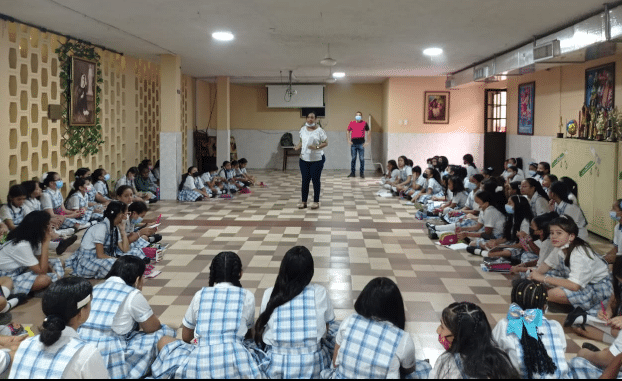
Construyendo Paz desde el Aula (Building Peace from the Classroom) sought to transform the culture of conflict within a public educational institution located in a vulnerable urban area characterised by insecurity and social instability. The school serves around 1.360 girls and adolescents aged 5 to 18, mostly from low-income families facing difficult domestic circumstances and limited access to safe public spaces. This environment often led to tensions and violence within the school, underscoring the need to foster coexistence, empathy, and peacebuilding among students, teachers, and families.
To address these challenges, the project created a structured program of training, mediation, and community participation. A team of 52 student peace mediators was democratically selected and trained through nine pedagogical workshops focused on leadership, emotional management, and conflict resolution. They facilitated classroom dialogues, developed Decalogues of Peace, and organised reflection activities to promote non-violent communication. Teachers also participated in pedagogical workshops on Tutoring for Coexistence, implementing weekly guidance sessions in their classes to reinforce life skills and values such as respect and empathy. Meanwhile, 76 parents engaged in the Family Building Peace initiative, fostering intergenerational understanding and reinforcing the project’s impact within the home.
The project reduced classroom conflicts by nearly 80%, strengthened interpersonal relationships, and improved emotional well-being across the school community. The mediators became recognised leaders within their school community, and both teachers and parents began adopting dialogue-based approaches to conflict management. The project’s integration into the official curriculum ensured its continuity and sustainability, making coexistence and peace education part of the school’s identity. Collaborations with local universities and the District Peace Office enriched the process with technical expertise and student interns in psychology and social work. Beyond conflict reduction, the project fostered a deeper transformation: students recognised themselves as agents of change capable of promoting harmony and justice in their communities.
People being served
People being served : Children and Young People
Age group : [display_acf_checkbox field="age_group"]
Number of participants : None
Schedule
Project status : Completed
Collaborations
Images
Peace meditor students with children
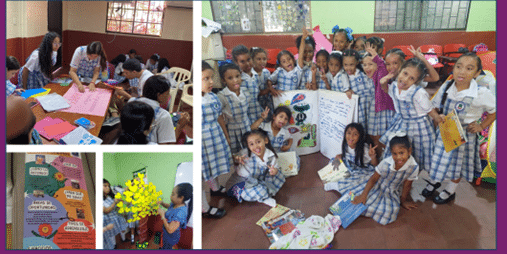
Peace activities
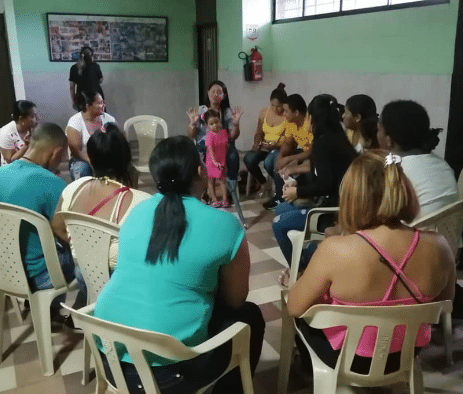
Parents as peace builders
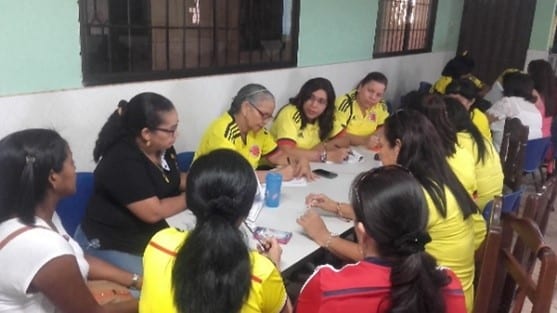
Teachers as peace builders
Overview
Society presence : Colombia
Focus of the project : Peace
JPIC Imperative : Washing One Another’s Feet
UN Sustainable Development Goals :