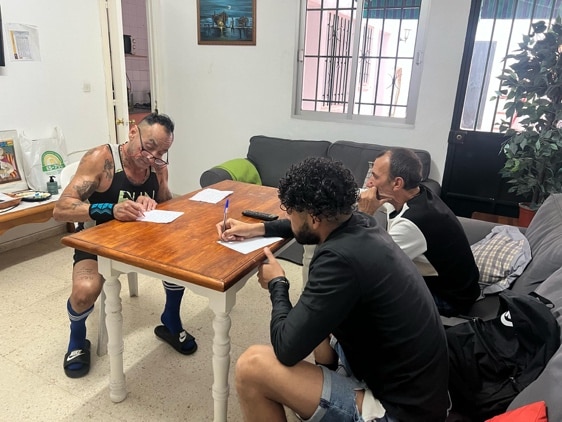
The Casa Abierta (Open House) is a transition home project established to support male prisoners in ordinary and semi-open regime; individuals who, after serving time in prison, face the challenge of rebuilding their lives without family or social support. Many of them have experienced homelessness, childhood institutionalisation, trauma, and deep social exclusion.
The initiative sought to provide them with a stable, family-like environment that would promote autonomy, emotional recovery, and reintegration into society and the labour market. The project offered overnight and/or daily accommodation and accompanied 60 men aged 25 to 55, combining psychological, social, and professional support in a comprehensive approach. Over the course of the project year, residents participated in group assemblies that fostered shared responsibility and daily-life management in shared flat chores, therapeutic sessions (individual, family and group) that promoted emotional awareness and mental health, and community service activities that encouraged social engagement through volunteering. In parallel, individualised biopsychosocial care provided daily structure and essential needs, while targeted career guidance and training sessions facilitated access to employment and education opportunities.
The project achieved notable results in the emotional, psychological, and social transformation of participants. Many showed reduced anxiety and depression, improved self-esteem, and a growing capacity for self-regulation and decision-making. Approximately 85% of the participants took part regularly in structured activities, 40% progressed in their reintegration process, 25% joined educational or training programs, and 10% secured stable employment. More importantly, the project helped restore their dignity, self-confidence, and sense of belonging. Some participants even expressed the wish to train as social workers or mentors, becoming role models for others in similar situations. Overall, Casa Abierta stands as a moving testimony of restorative accompaniment, showing that with empathy, structure, and commitment, reintegration is not only possible but deeply transformative for individuals and communities alike.
People being served
People being served : People who are marginalised
Age group : Adults 26-60
Number of participants : 51-100
Schedule
Project status : Completed
Collaborations
Images
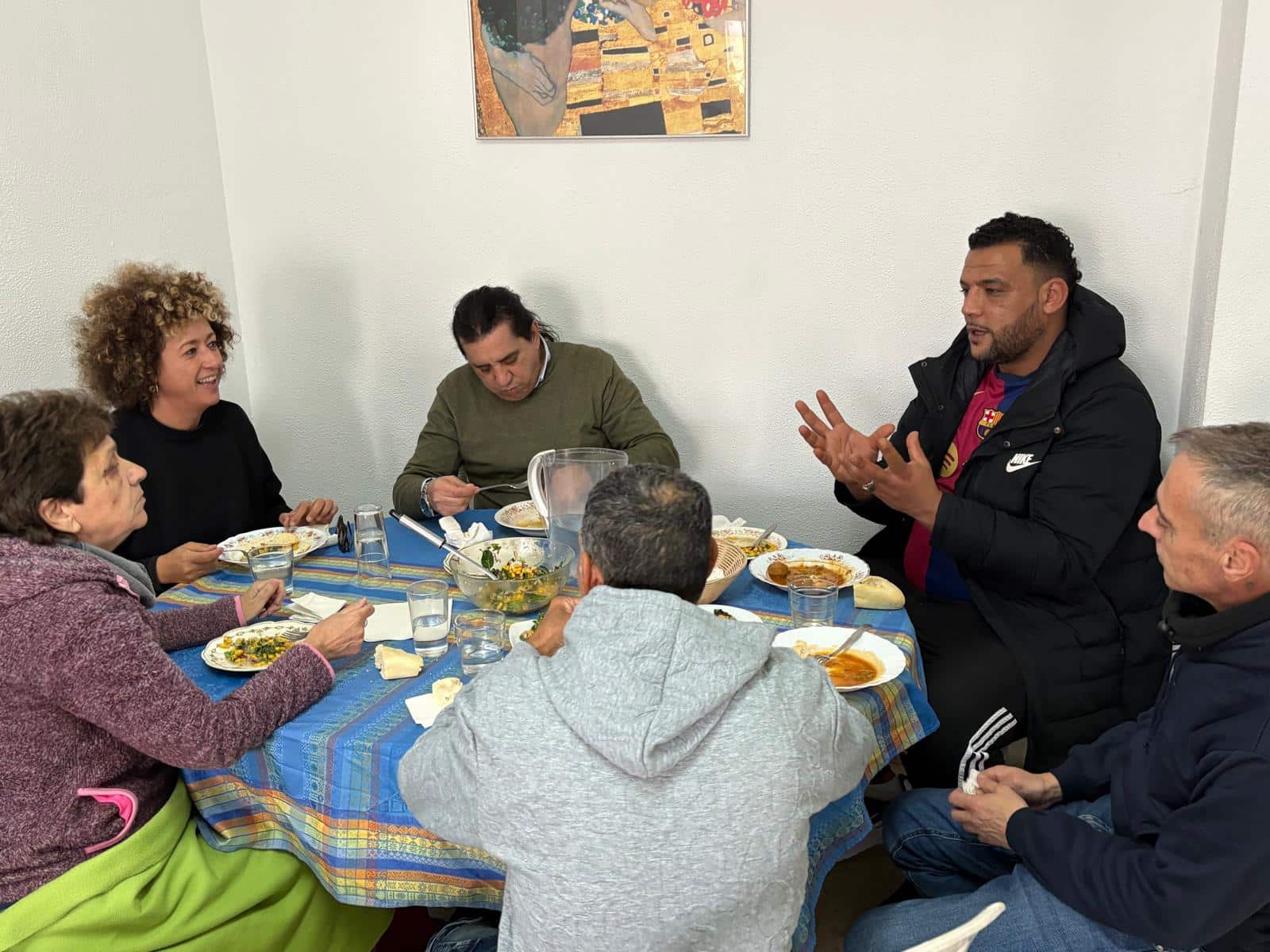
Living in community
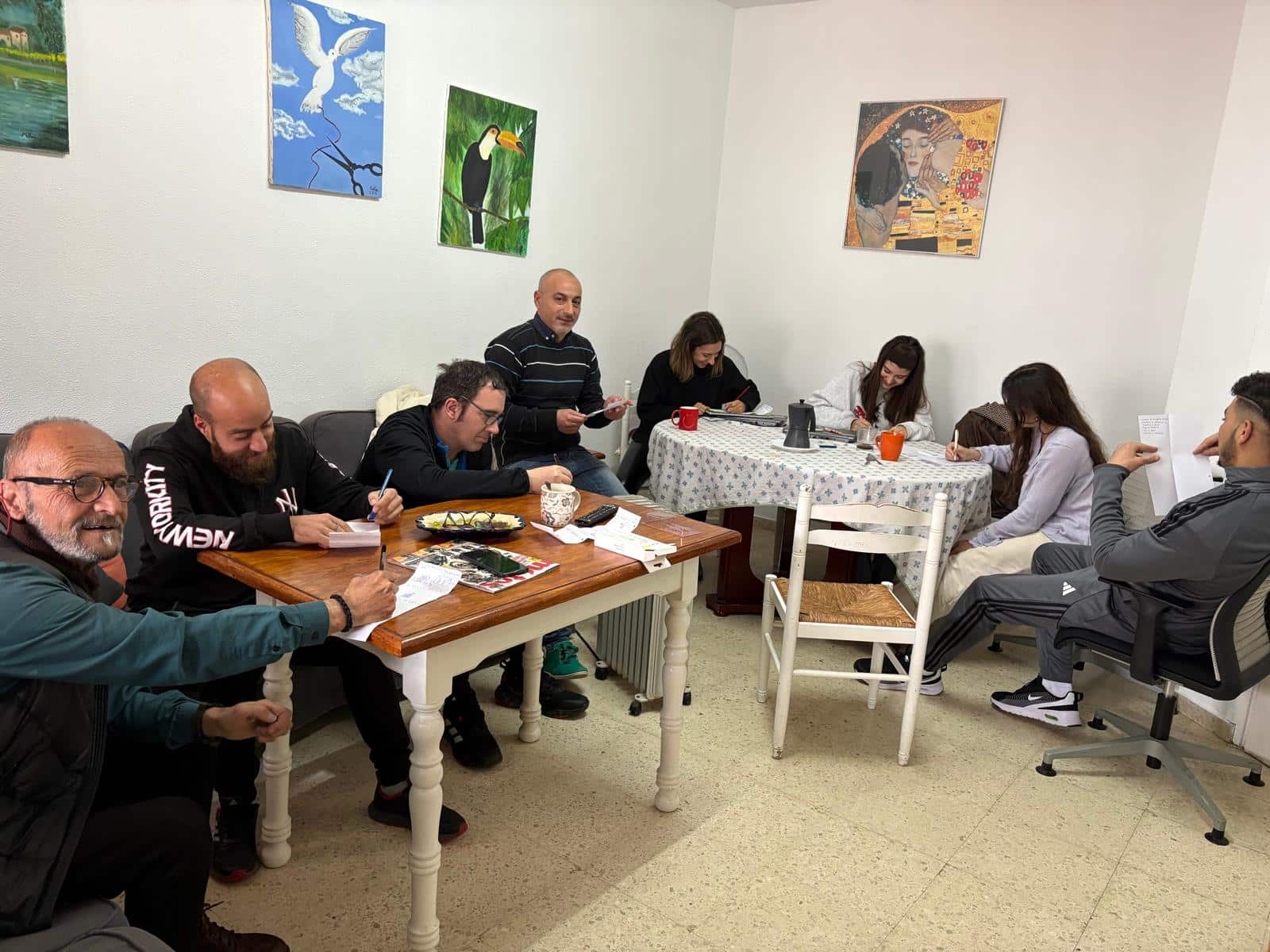
Coffee and newspaper workshop
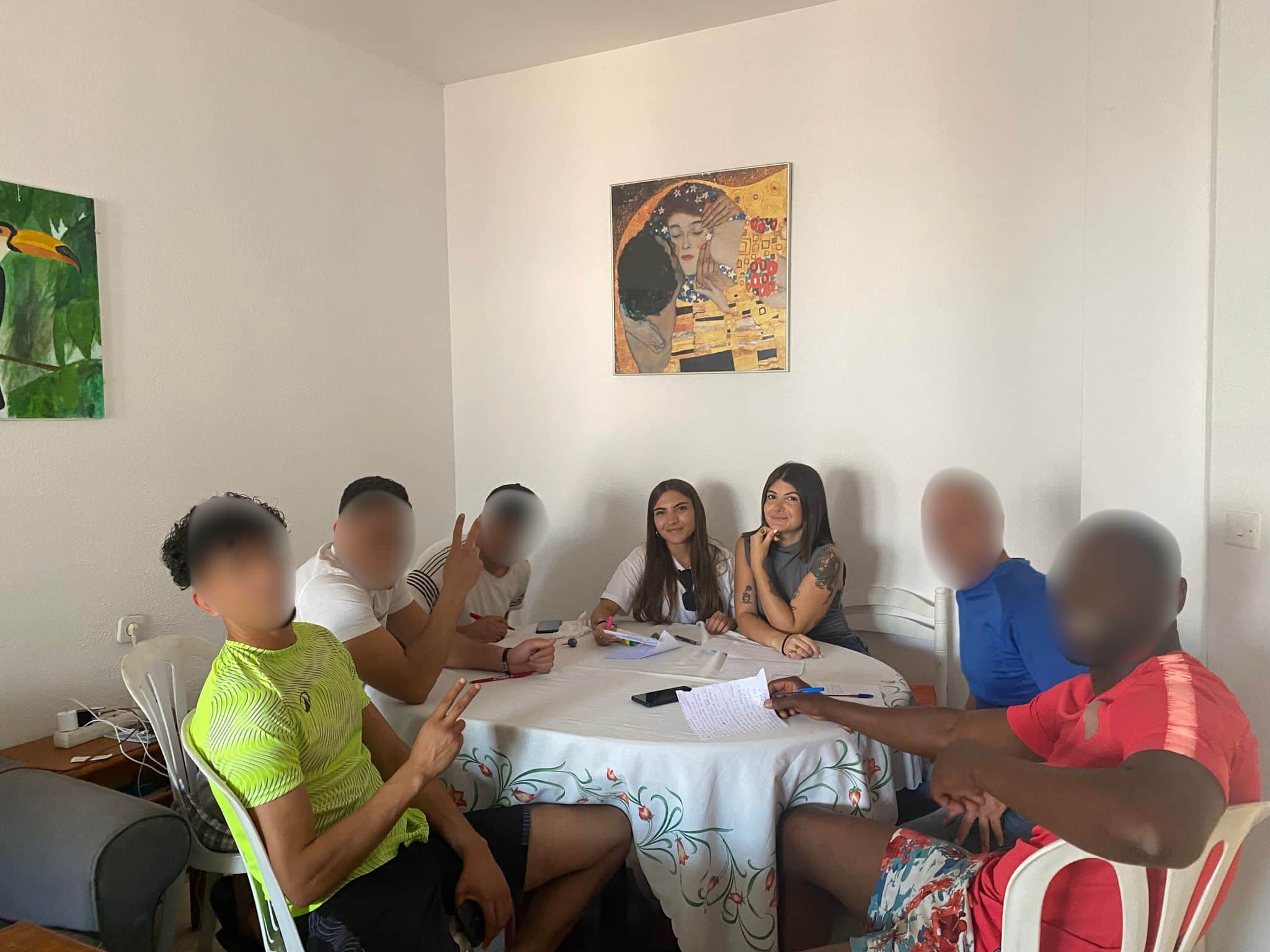
Workshop on new masculinities
Workshop on shared reflection and dialogue
Overview
Society presence : Spain
Focus of the project : Social inclusion / reintegration
JPIC Imperative : Transformer et être transformé
UN Sustainable Development Goals :