Background
The Youth Health Triangle: Balance of Physical, Mental and Spirit project took place in South Korea, a country where many young people face increasing isolation due to academic and employment pressures, alongside the rise of individualism. These factors have weakened youth communities and negatively affected physical, mental, and spiritual well-being.
Activities
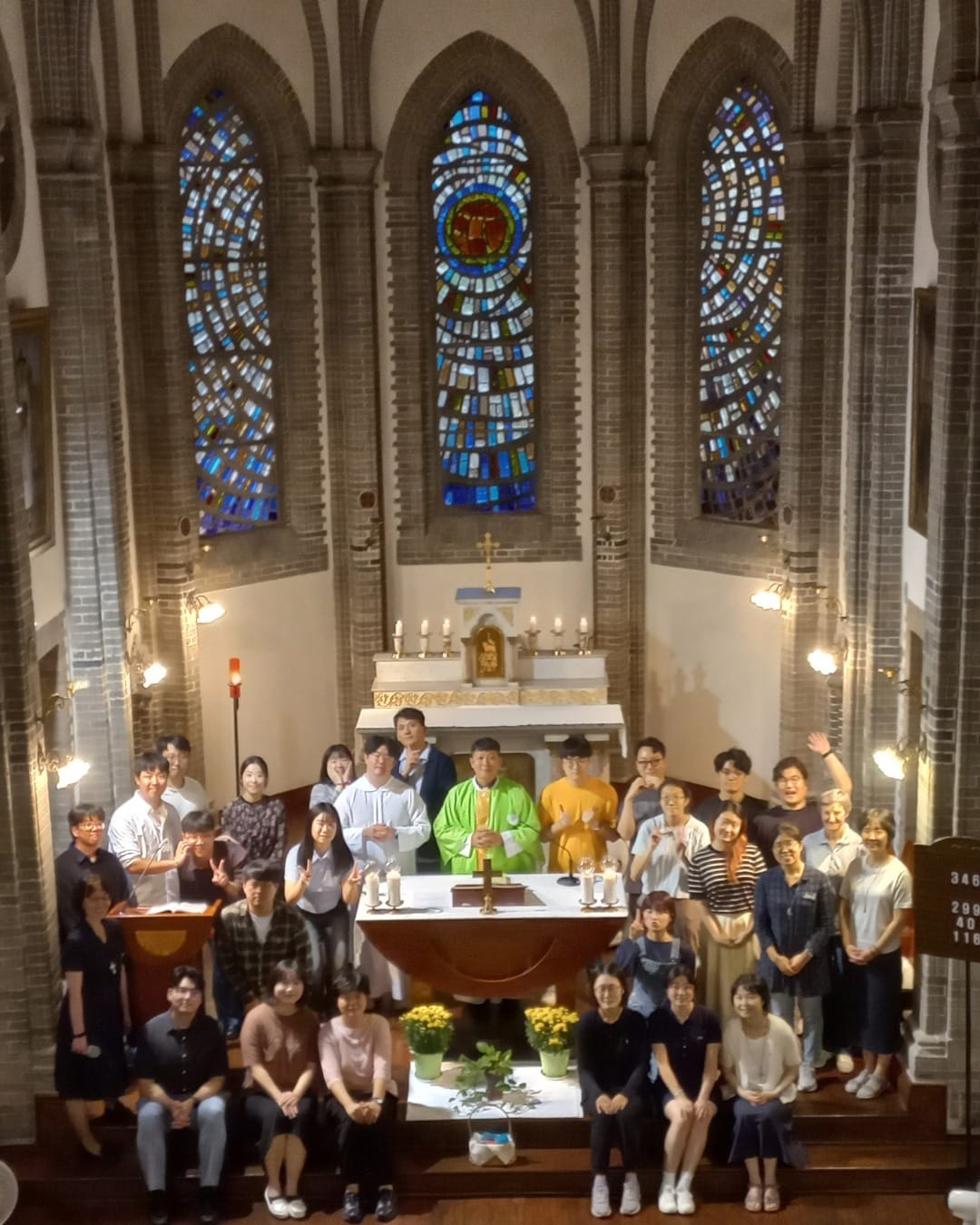
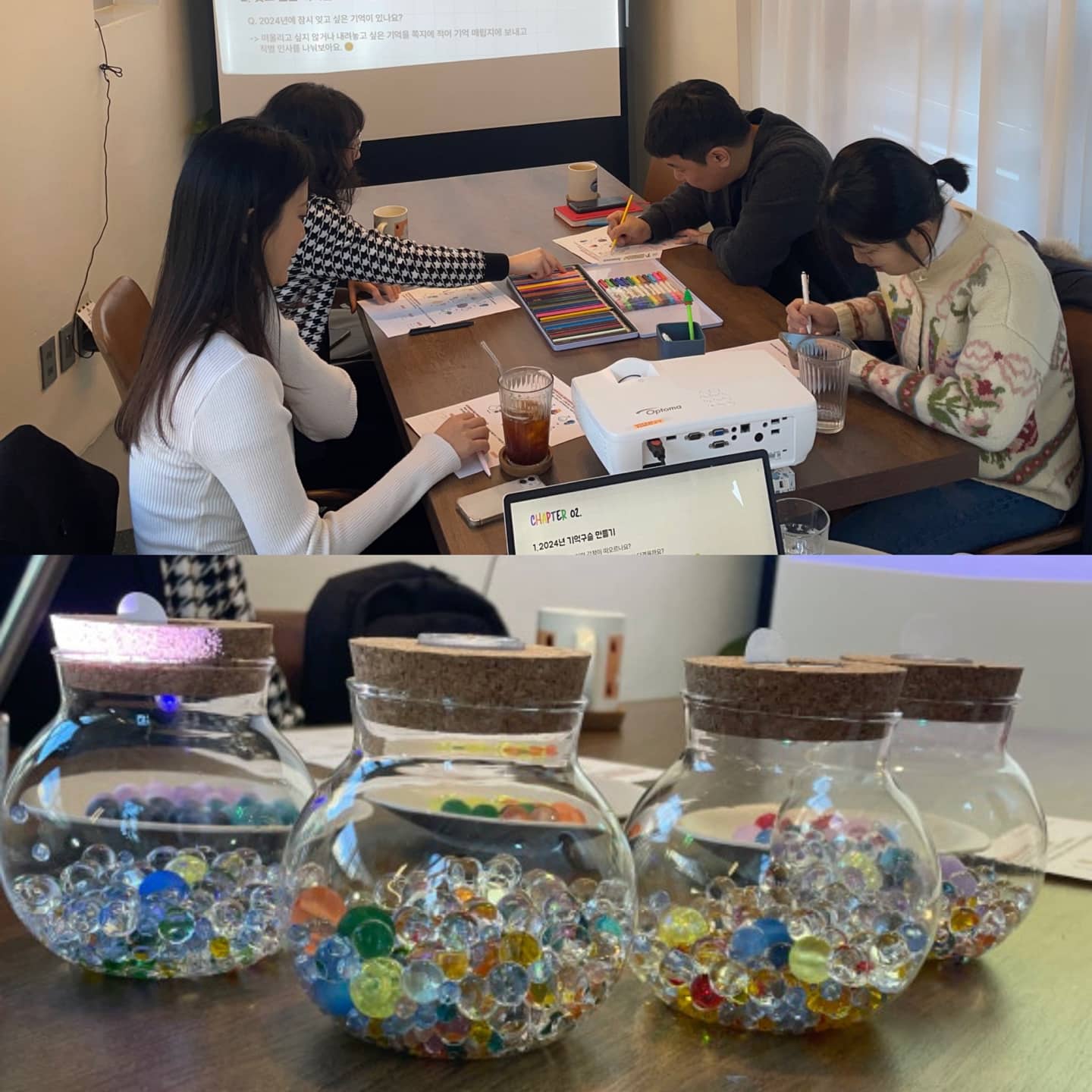
The project sought to counter this by offering a safe, nurturing space where young people could reconnect with themselves and others through a holistic approach to health. It focused on three interconnected areas: physical activity, emotional care, and spiritual growth. To promote physical health, the Exercise Taster Group organised sessions in various disciplines such as kendo and archery, in collaboration with young sports instructors. Participants shared their experiences before and after activities, fostering both physical vitality and social bonding. For mental health, the Emotion Diary initiative encouraged participants to reflect on their emotions through journaling and the movie Inside Out. This activity created an open, trusting environment where young people could explore their feelings and realise they were not alone in their struggles. For spiritual well-being, the project offered a 9-day prayer group, youth masses, Taizé prayers, and music retreats during Lent and Advent. These activities, often designed and led by young Catholics, combined prayer and art, nurturing participants’ sense of belonging to a faith community.
Results
The initiative served around 620 young people, forming several active youth communities. Attendance at youth masses and retreats increased steadily, and feedback surveys indicated 98% satisfaction among participants. Many reported better emotional awareness, stronger social ties, and renewed hope. The project also inspired youth leadership, as participants collaborated with instructors, musicians, and external organisations, extending their outreach beyond the project boundaries. The coordinators highlighted that recruiting isolated youth initially proved challenging, but once involved, participants became deeply engaged. The experience revealed that addressing youth well-being requires multidimensional strategies. By fostering spaces for authentic encounter, the project helped young people rediscover balance and meaning in what they describe as a broken yet blessed world.
People being served
People being served : Children and Young People
Age group : Young people 18-25, Adults 26-60
Number of participants : >500
Schedule
Project status : Completed
Collaborations
Images
Spiritual exercises
Mental exercises
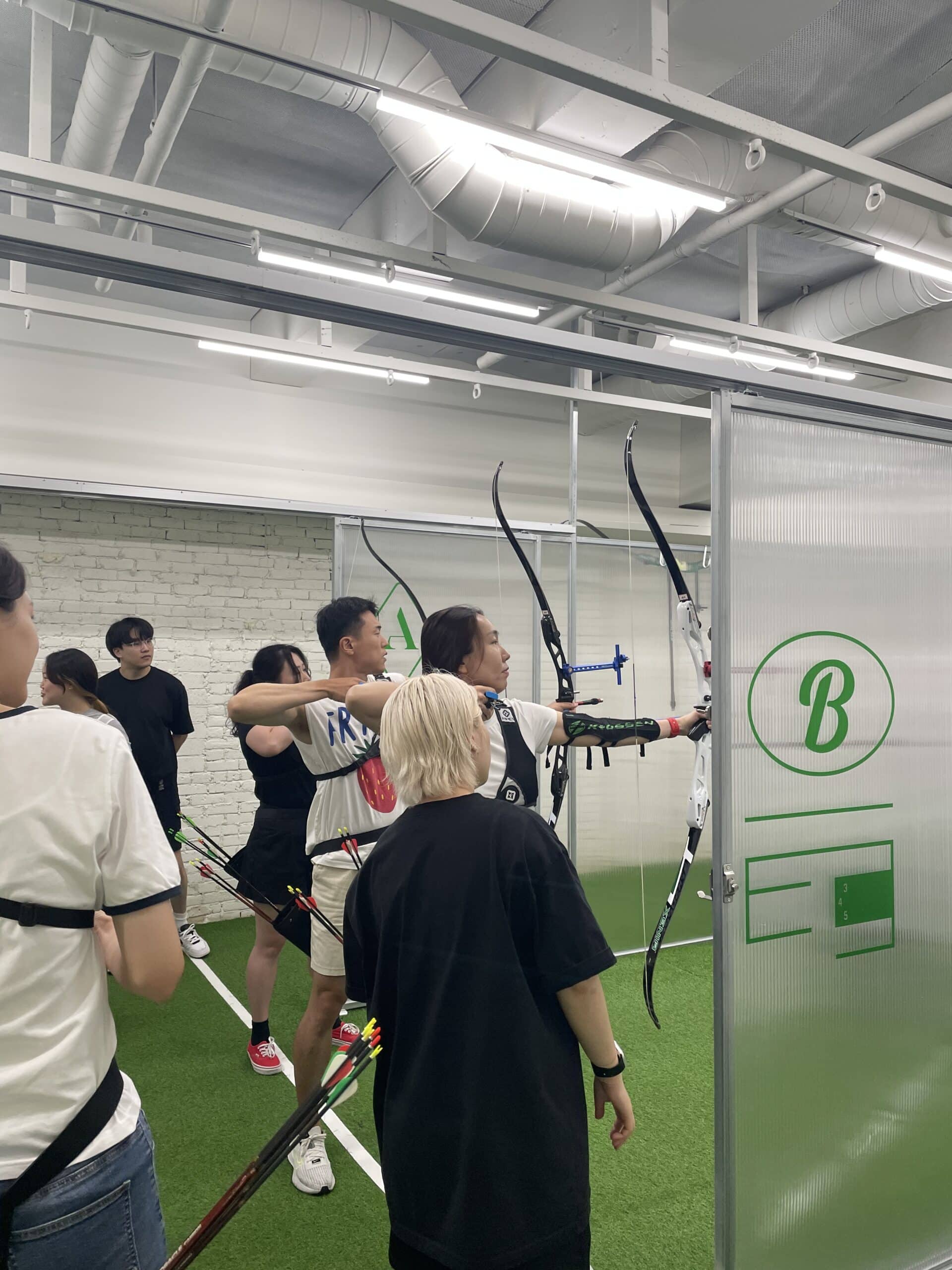
Physical exercises - archery
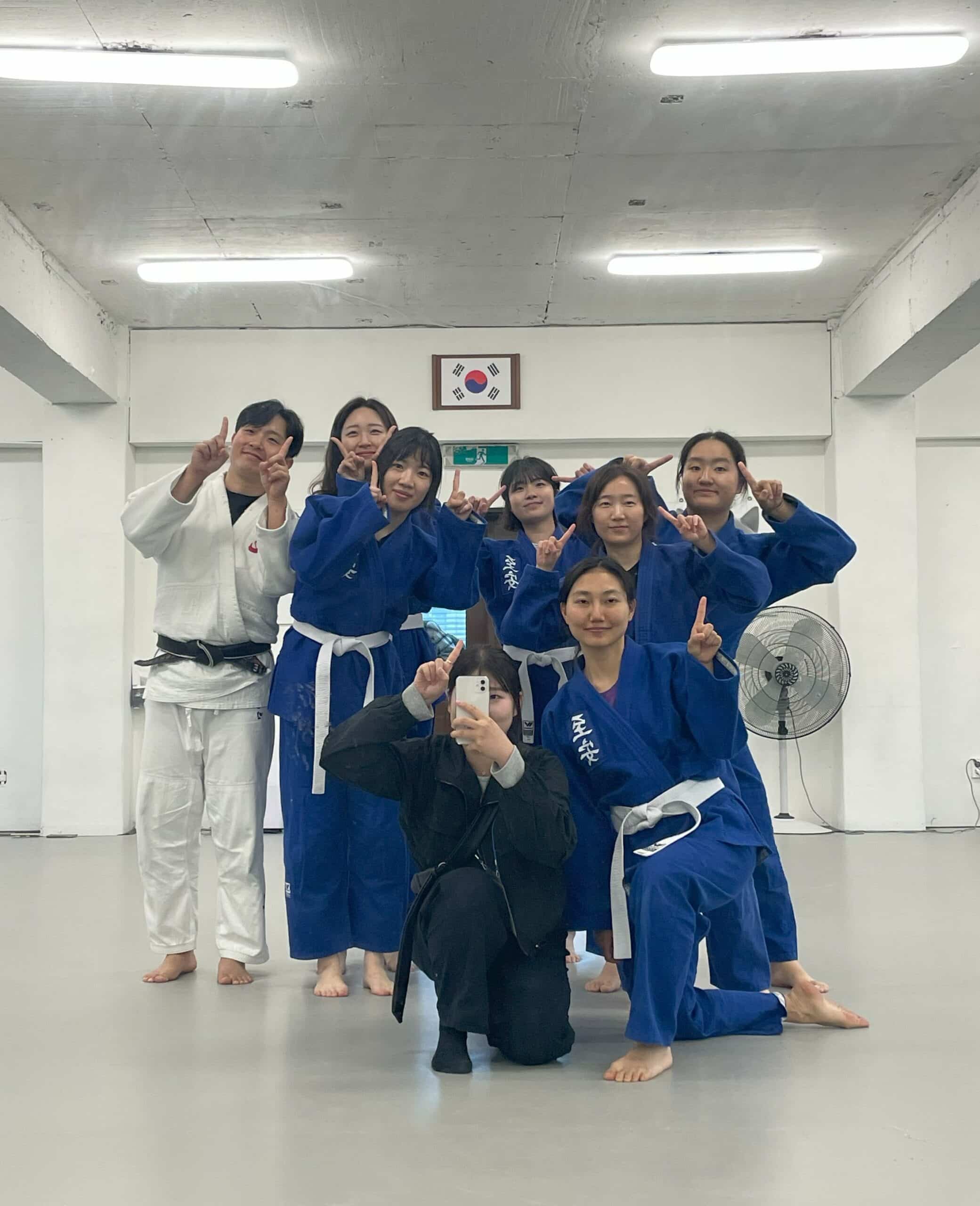
Physical exercise - Kendo
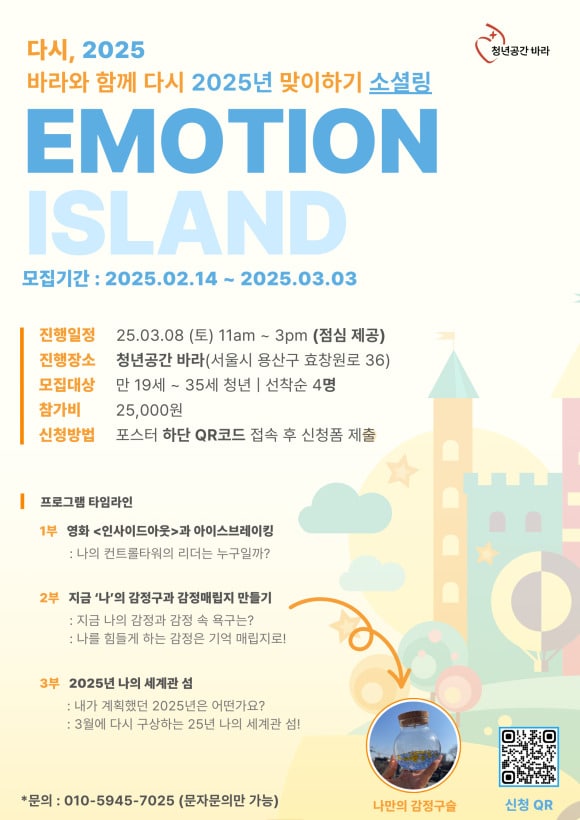
Emotion workshop poster
Overview
Society presence : Korea/Chinese
Focus of the project : People
JPIC Imperative : Lavando los pies unos a otros
UN Sustainable Development Goals :