The project Servicio Integral de Atención y Tratamiento de Adicciones (Comprehensive Service for Addiction Care and Treatment) took place in Jaén (Cajamarca), a region facing a growing crisis of substance abuse and behavioural addictions, especially among adolescents and adults in vulnerable situations. The absence of therapeutic programs in prisons further aggravates the challenge, leaving people deprived of liberty without support for rehabilitation and reintegration. The project aimed to promote recovery, social reinsertion, and improved well-being through a holistic approach addressing psychological, educational, familial, and spiritual dimensions. The initiative directly supported 160 people: 70 high-school students (11–17 years old) with drug and videogames addition, 70 polyconumser adults residing in a rehabilitation center, and 20 incarcerated adults with records of drug use.
Activities included individual and group psychological accompaniment for adolescents and adults, educational and spiritual support, and recreational activities (sport, swimming, cinema, walks, etc.) that encouraged positive habits and teamwork. Family accompaniment was carried out mainly with the adolescents’ families, though the participation of adult relatives was minimal due to economic and social constraints. The project also introduced new activities such as awareness sessions for parents and caregivers, teacher training on addiction prevention, and emotional resilience workshops for youth.
The results were tangible and encouraging. Many adolescents developed better family communication and increased self-awareness of addiction risks, leading to a reduction in substance use and improvements in academic performance. Motivation for personal growth and education strengthened, as illustrated by students transferring to more demanding schools to pursue higher goals. In adults, especially inmates, there were notable behavioural changes, with some becoming positive influences among their peers. Institutional attitudes toward addiction also evolved, schools became more open and proactive in addressing the issue. Collaboration with local educational institutions, rehabilitation centers, and the National Commission for Development and Life Without Drugs (DEVIDA) proved essential to implementing the project. Despite challenges such as limited family engagement, lack of standardised monitoring tools, and the transfer of inmates to other prisons, the project team demonstrated strong commitment and professionalism. Ultimately, the project contributed to restoring dignity, hope, and a sense of belonging among participants. It helped transform lives through renewed confidence, improved relationships, and social reintegration opportunities, planting seeds of healing in a community long affected by addiction and exclusion.
People being served
People being served : People who are marginalised
Age group : [display_acf_checkbox field="age_group"]
Number of participants : 101-250
Schedule
Project status : Completed
Collaborations
Images
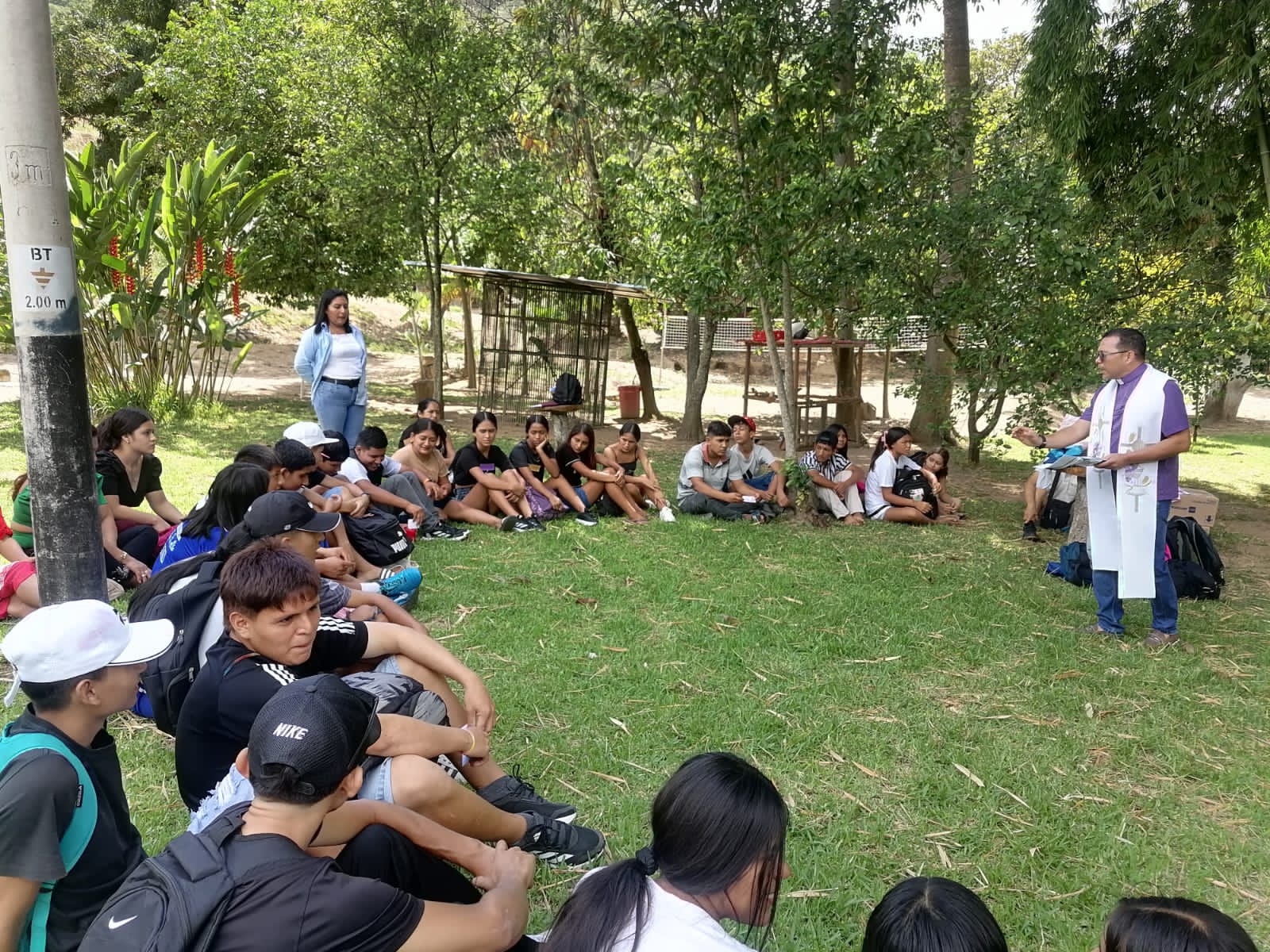
Support group for teenagers
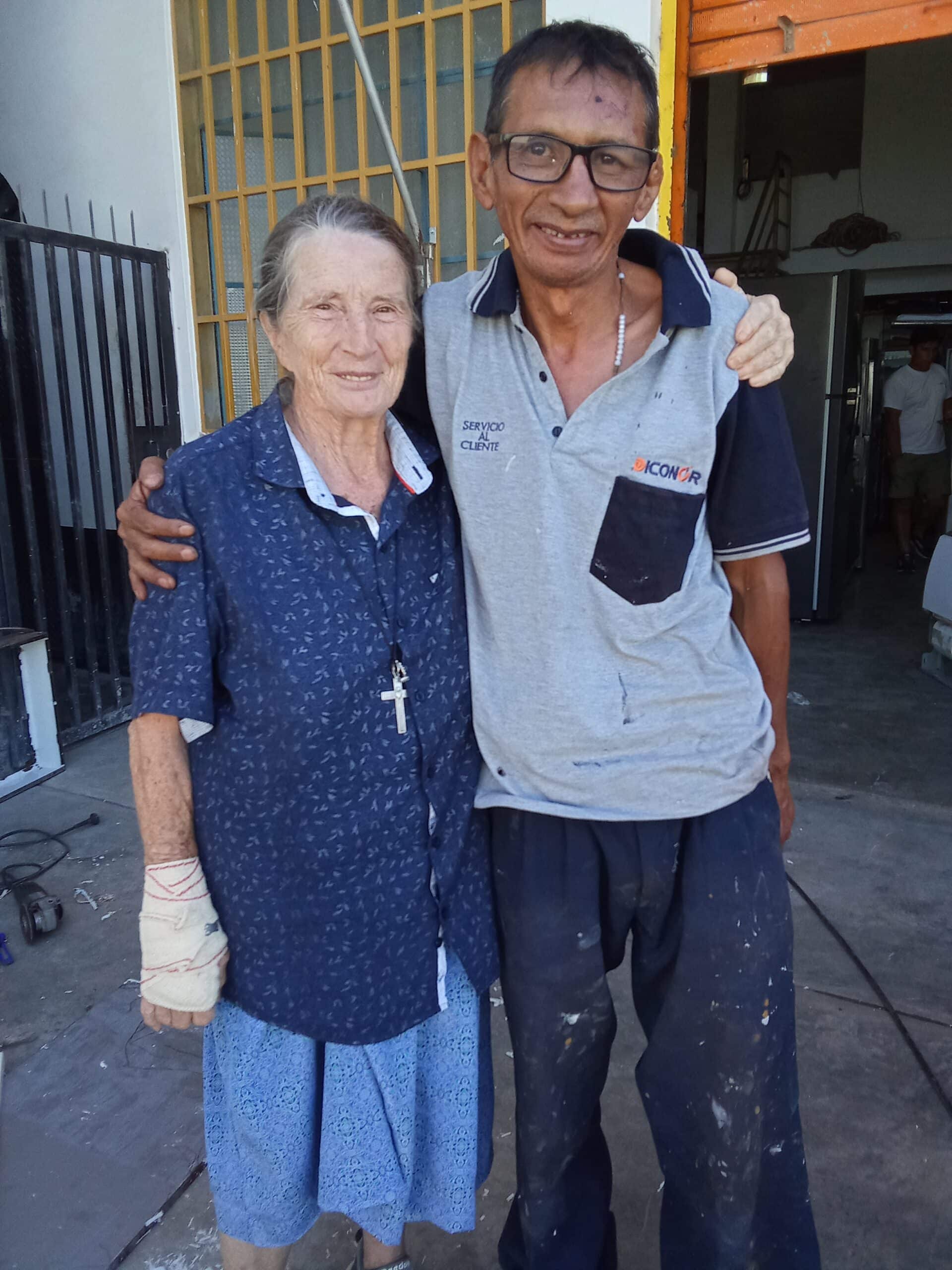
Celebrating one year sober with the team who never stopped believing
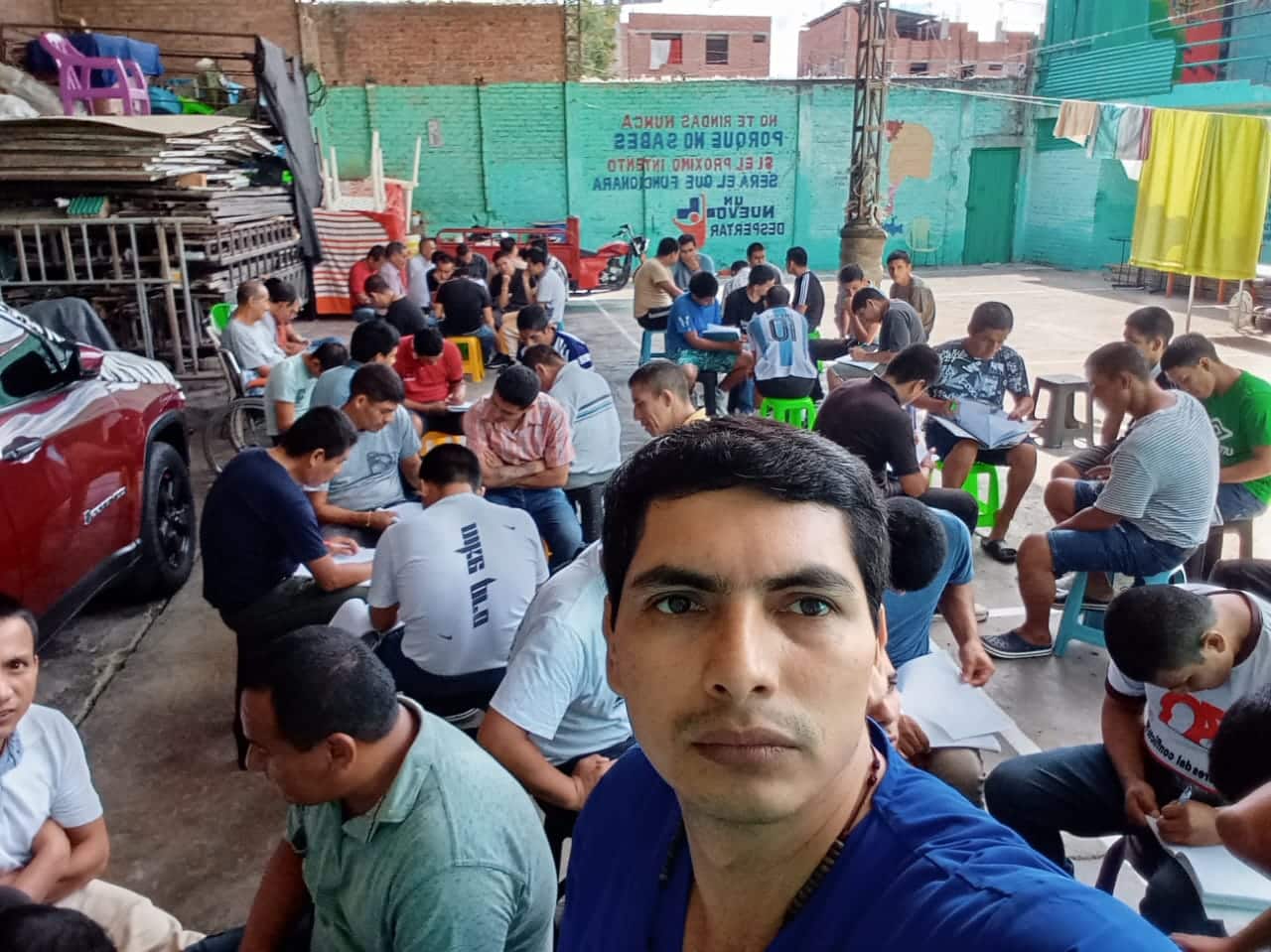
Group psychological support at the reahbilitation centre
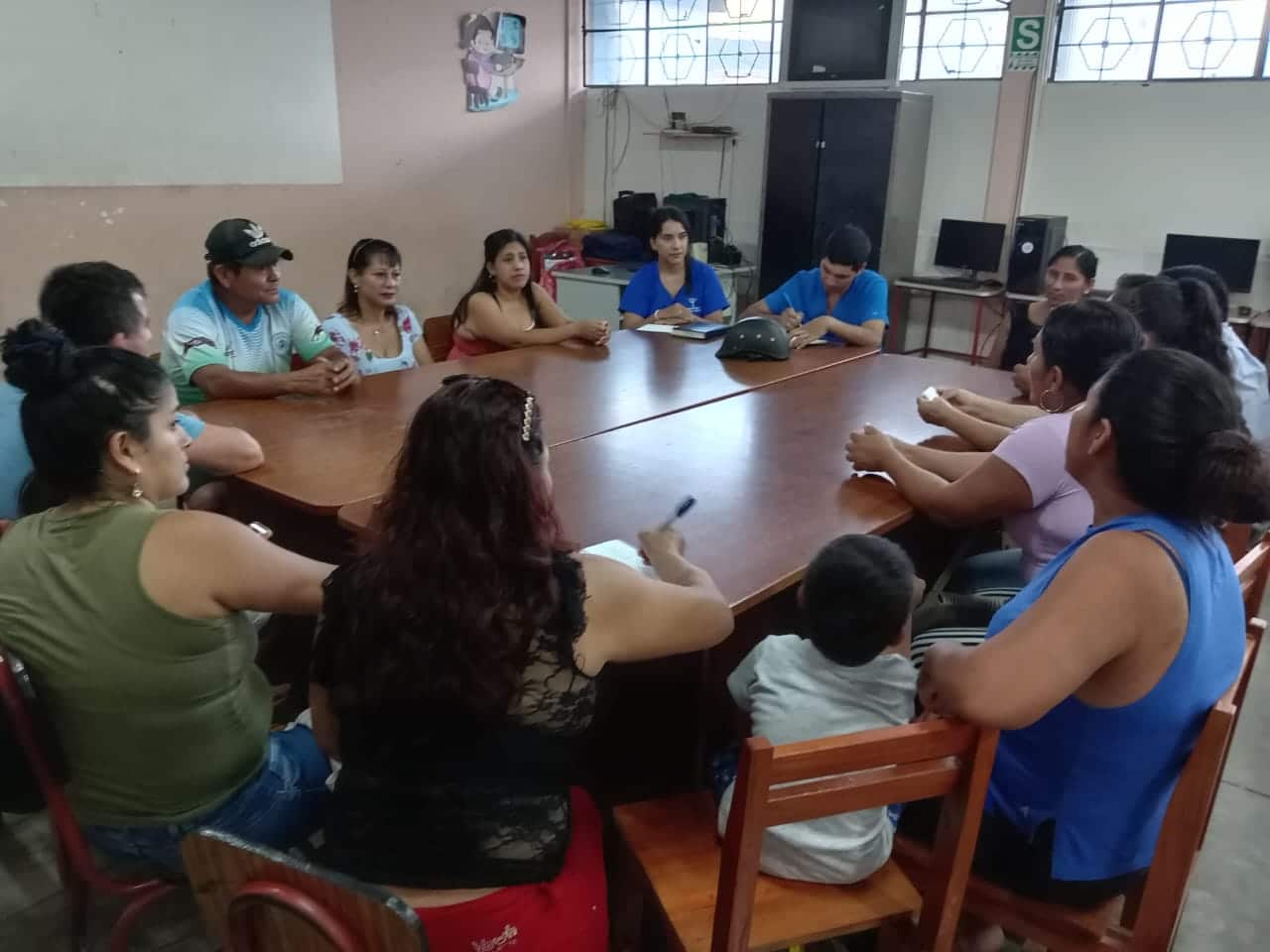
Psychologists meeting parents
Overview
Society presence : Peru
Focus of the project : Health
JPIC Imperative : Transforming and Being Transformed
UN Sustainable Development Goals :