Background
This project aimed to support teenagers from low-income families facing limited resources alongside a lack of quality public education.
Activities
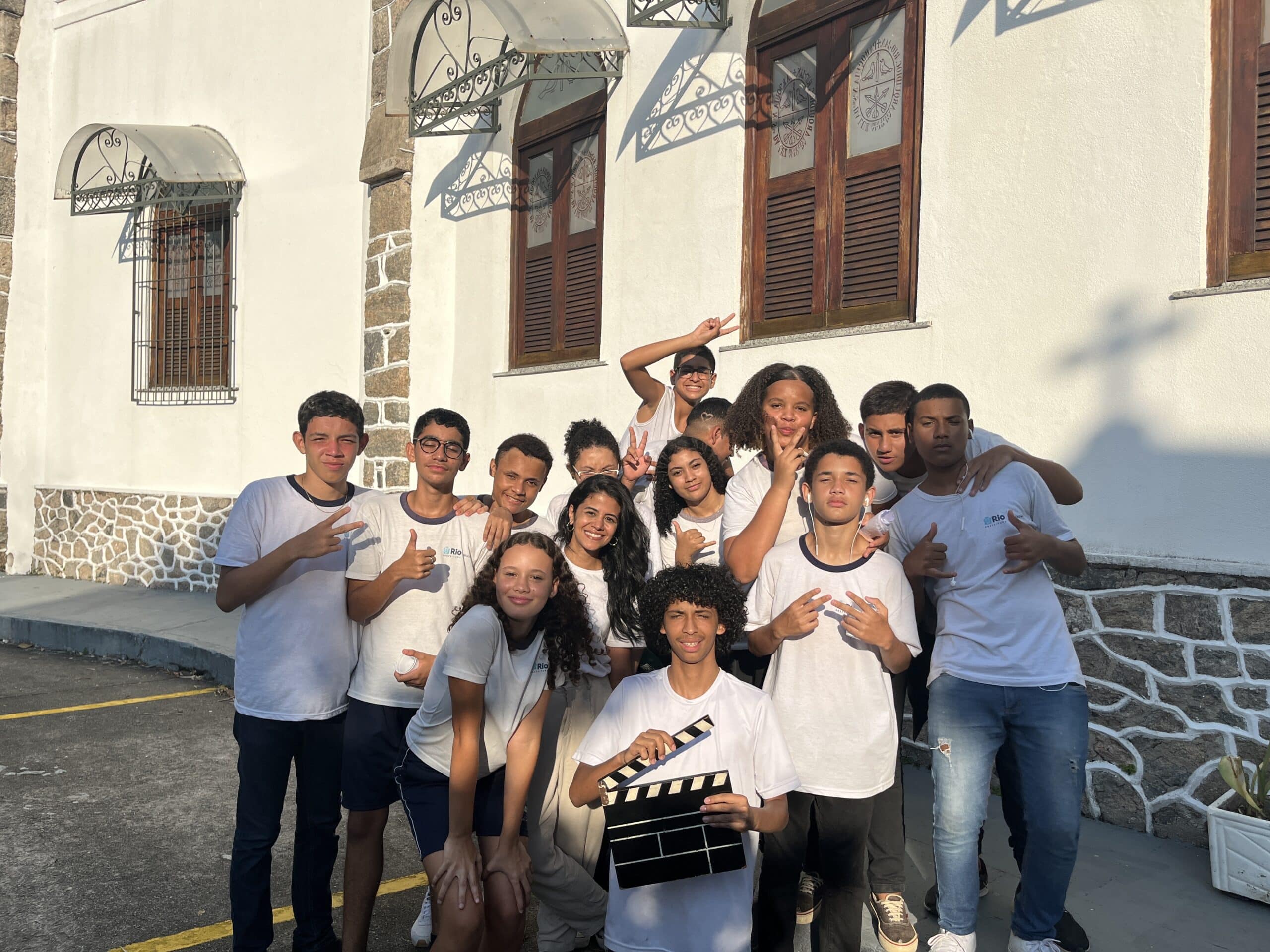
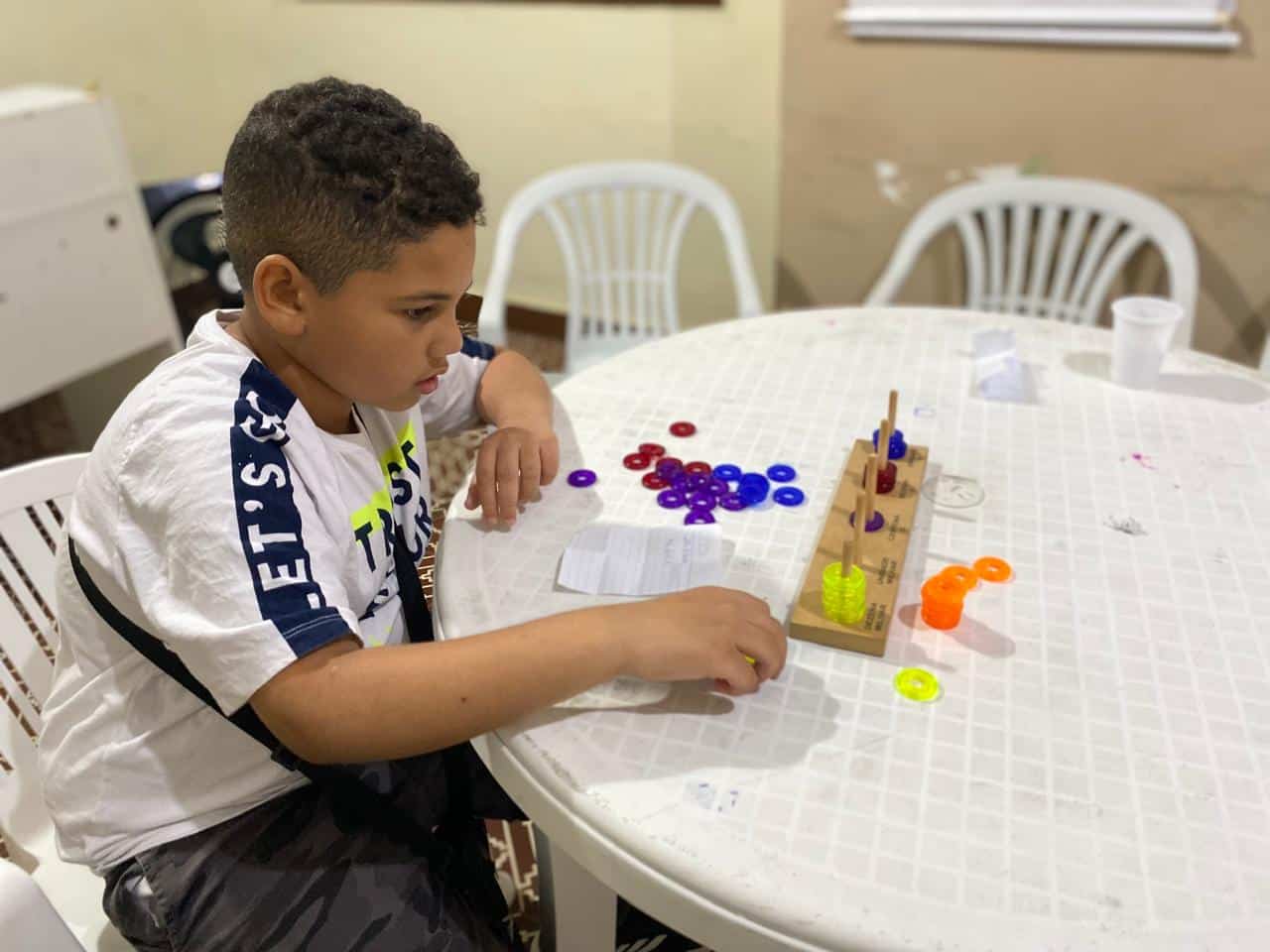
The project targeted 50 teenagers, providing tutoring, cultural enrichment, and media workshops designed to bridge academic gaps and foster personal growth. Mathematics and language tutoring (3 times a week, 2-hour session) focused on engaging and real-life applications.
Mathematics was linked to everyday contexts, making it more accessible and enjoyable, while language sessions encouraged reading, debating, and writing.
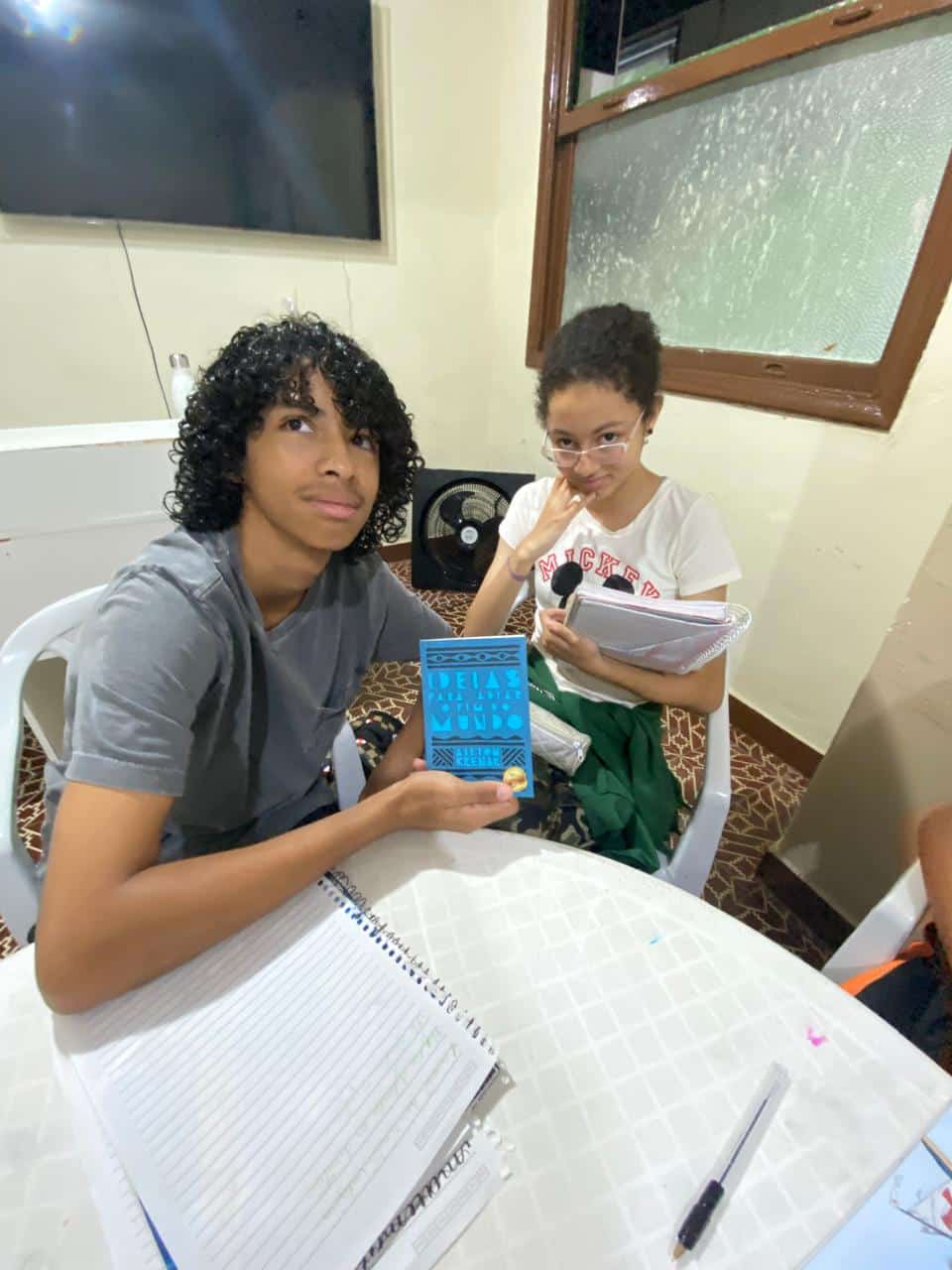
Language sessions integrated biography readings and discussions on social issues, indigenous history, and childrens rights, helping students build cultural awareness and identity.
Academic support was also provided for the primary school final exam preparation (twice a week, 2-hour session), crucial for to access quality secondary schools.
The Freirean approach the project adopted in its academic support helped teenagers develop a sense of critical awareness and self-esteem in their educational journey.
Academic coaching was integrated by artistical and cultural enrichment where the teenagers were taken to theatre performances.
IT literacy was valued as being essential for quality education. The teenagers attended media workshop where they acquired skills in media production, and script writing. They developed technical skills in editing with whom they interpreted and communicated their learnings (childrens rights, climate change) through a modern medium. They also gained insight into the potential and challenges of digital technologies.
Outcomes
The teenagers school performance significantly improved, with many successfully passing exams for entry into reputable secondary schools. One student received a scholarship, a proud achievement for both students and their families.
Teenagers approach to mathematics has gone from negative to being curious and open-minded about the subject. Their vocabulary and ability to articulate their views both orally and in writing were strengthened, building their confidence and critical thinking.
The project facilitated parents meetings to involve families in their childrens progress and create an inclusive support network. This holistic approach helped participants feel equal to peers in more privileged educational contexts and mitigate the perpetuation of poverty.
Extra comments :
The project coordination is run by the RSCJ-connected association Asbrinc
People being served
People being served : Children and Young People
Age group : Children 0-17
Number of participants : mai-50
Schedule
Project status : Completed
Collaborations
Images
Overview
Society presence : Brazil
Focus of the project : People
JPIC Imperative : Transforming and Being Transformed
UN Sustainable Development Goals :