Background
The majority of RSCJ in Indonesia at the moment live in Bandung. Bandung has a long history of Dutch influence on language and architecture. It is known as Paris van Java. Bandung is a metropolitan city consisting of various tribes, races and religions in Indonesia. In recent decades, young people tend to be familiar with the terms jihad (war), takfir (infidel) and other terms that connote the movement of radicalism and intolerance that will jeopardize the reality of pluralism if it is not accompanied by a comprehensive and learned understanding. This is one of the factors that drives the birth of religious radicalism, namely the existence of a superficial understanding of religion.
In addition, the growth of potential cultism and the attitude of exclusiveness among young Bandung residents aged 18-30 years - especially for young Muslims who have a deep interest in Islam - is starting to become a serious issue.
It started from the growth of migratory movements among young people, represented by many youth communities in Bandung, such as Pemuda Hijrah, (Young Pilgrims) Fun Ta'lim, (Joyful Instructors of the Islamic Law) and Pemuda Istiqamah (Youth Steadfastness) making Bandung a fertile place for the seeds of the Hijrah movement to take root. The Hijrah Movement (a migration from Moderate Islam to Radical Islam) campaigned "back to the Qur'an and Sunnah", including regarding lifestyles for men and women in accordance with Shariah values, with themes and activities that are close to the spirit of young people who are the youth in Indonesia, represented by the communities in Bandung.
In its implementation, this movement leads to the growth of exclusivity among young people. Many groups of young people who have participated in this migratory movement tend to be intolerant, not open, and do not accept differences. This fanaticism then becomes excessive, so they consider people outside their group (despite the fact that they are Muslims) to be 'infidels' and / or un-Islamic.
In the music industry, the haram (forbidden) of music has been widely discussed since the year 2010 and became a trending topic in 2015 with the release of two Pure Saturday band members, one of the pioneering indie bands from Bandung, also known on the national front. Both of them stated that they left music to explore religion. In Bandung, many band members eventually leave the music world to become influencers of religion and campaign for exclusive migrations. In the world of music, this movement is also quite progressive.
However, this phenomenon is not only in Bandung (West Java) but also in the rest of the country.
Objectives
- To establish openness to differences in beliefs, race, ethnicity, opinion, culture and religion.
- To increase awareness and recognition of the uniqueness of each belief and give mutual attention to humanitarian issues, especially the issue of peace across faith.
- To empower young people in Bandung, Jakarta, Yogyakarta and Malang to think critically and creatively using the medium of writing and art.
Activities
Open Integrity Programme
In order to get a richer understanding of the traditions of other religions, a more open religious attitude is needed; an open integrity awareness. Thus, through the Open Integrity Development Programme, awareness of Open Integrity in interfaith dialogue has been developed through four main activities, namely:
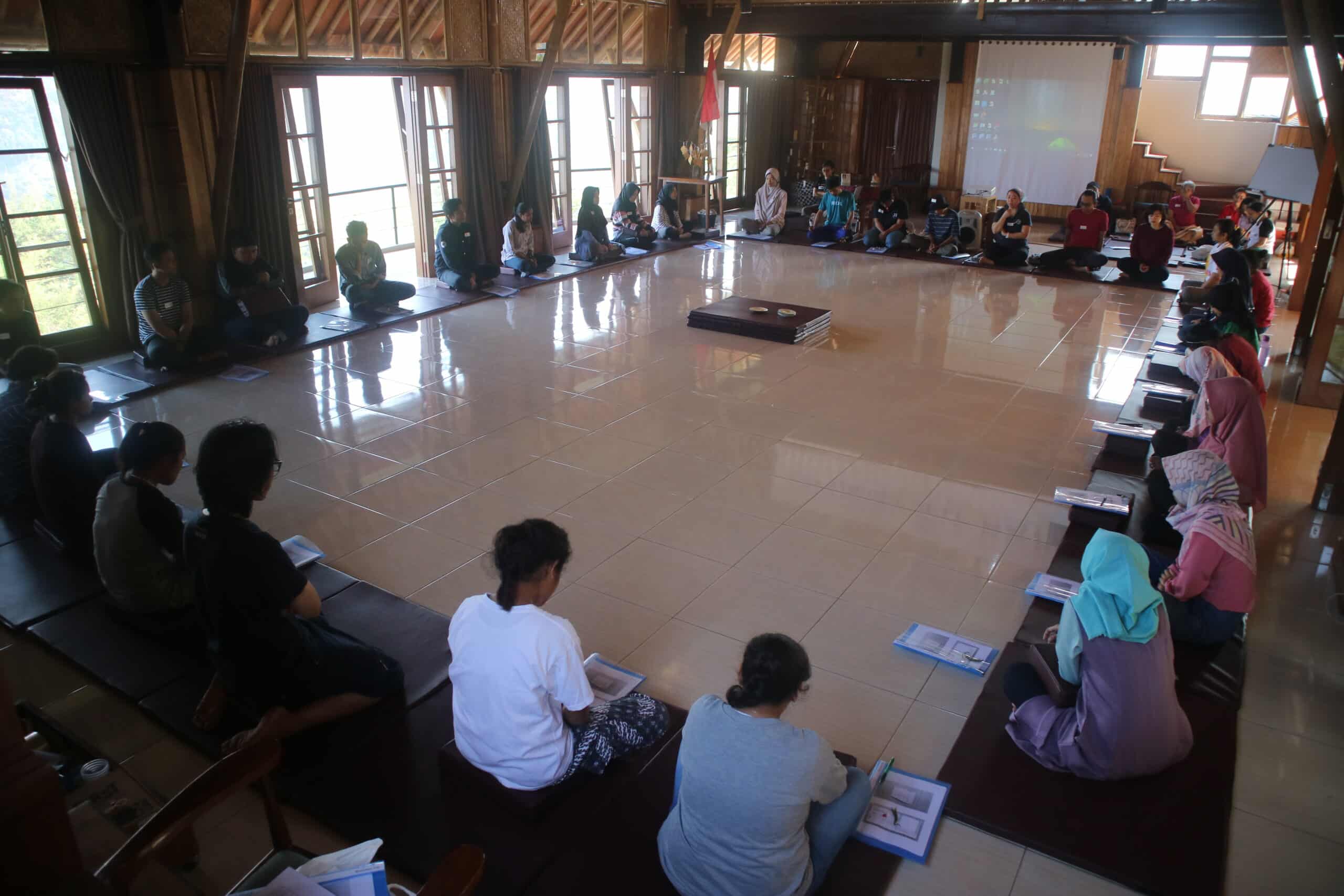
- Open Integrity Training: Character Education Program and Peace-Building (PEKANADA), with the tagline "Positive personal change in a pluralistic world". In the form of training activities based on character education and peace building, which is an activity of reviving open integrity training, while disseminating the thoughts of Seyyed Hosein Nasr and Hans K?ng, which encourages everyone to realize personal values, truth claims, and insights, which can affect every action. Knowledge of "Golden Rule" and "Global Ethic" simulated during training can make faith more dynamic in making real changes in society. A two-day training, conducted 3 times in one year
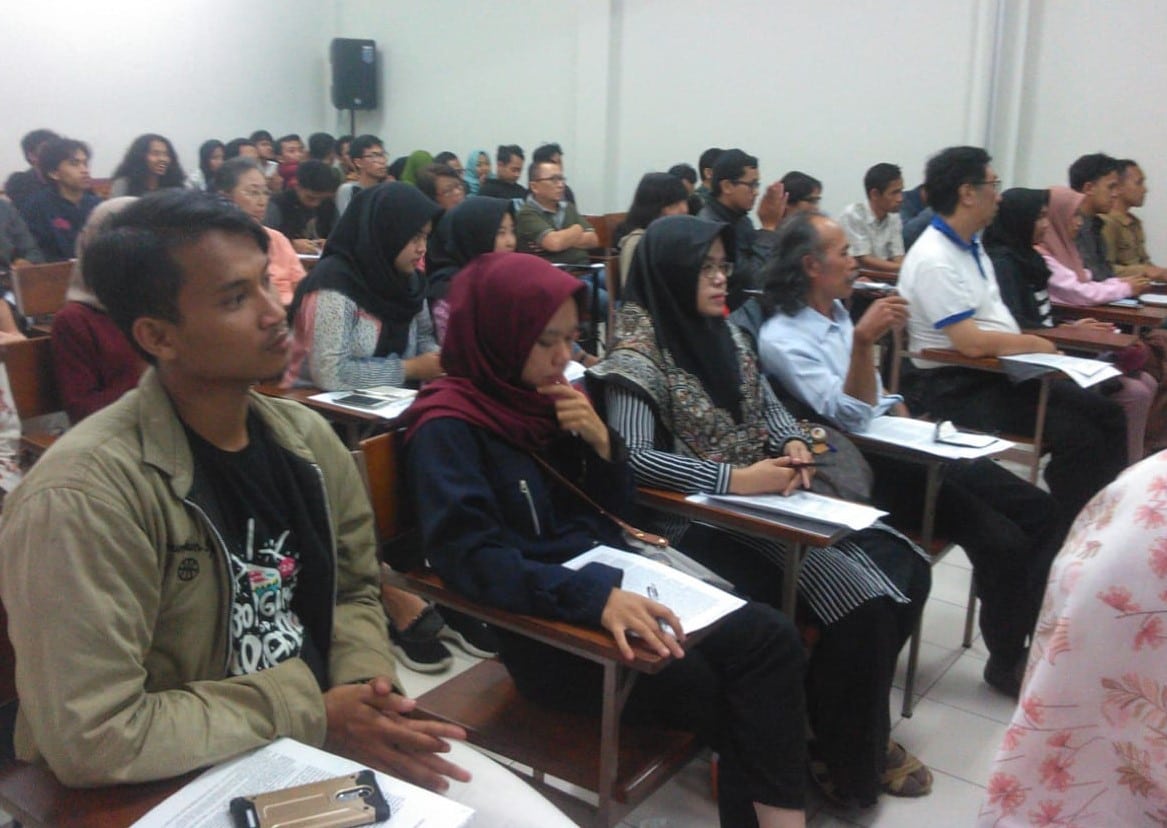
- Halaqah Damai is a gathering and monthly study of various interdisciplinary thoughts and peace movements. This activity discusses ideas, thoughts, movements, approaches of peace-building figures, including efforts to develop an open integrity attitude through discussion meetings and insight sharing. Interfaith encounters in this activity help develop binary knowledge, improve dialogical skills between faiths, and provide space to express important parts of faith in creating inter-religious harmony in Indonesia. Monthly gathering & discussion. This activity is planned for every last Wednesday of the month. This activity is held in the Bandung community and at the Faculty of Philosophy UNPAR every month.
- Some participants from both the programs above will visit widows and orphans; help them with groceries and books respectively for a period of six months. The next six months these widows and orphans will introduce their friends of a faith other than their own to the participants. (This will create a ripple effect of the practice of Open Integrity)
- You tube presentations (15) through the year on Peace and Interfaith dialogue. (15 resources of 1-2 minutes each).
Interfaith Youth Camp
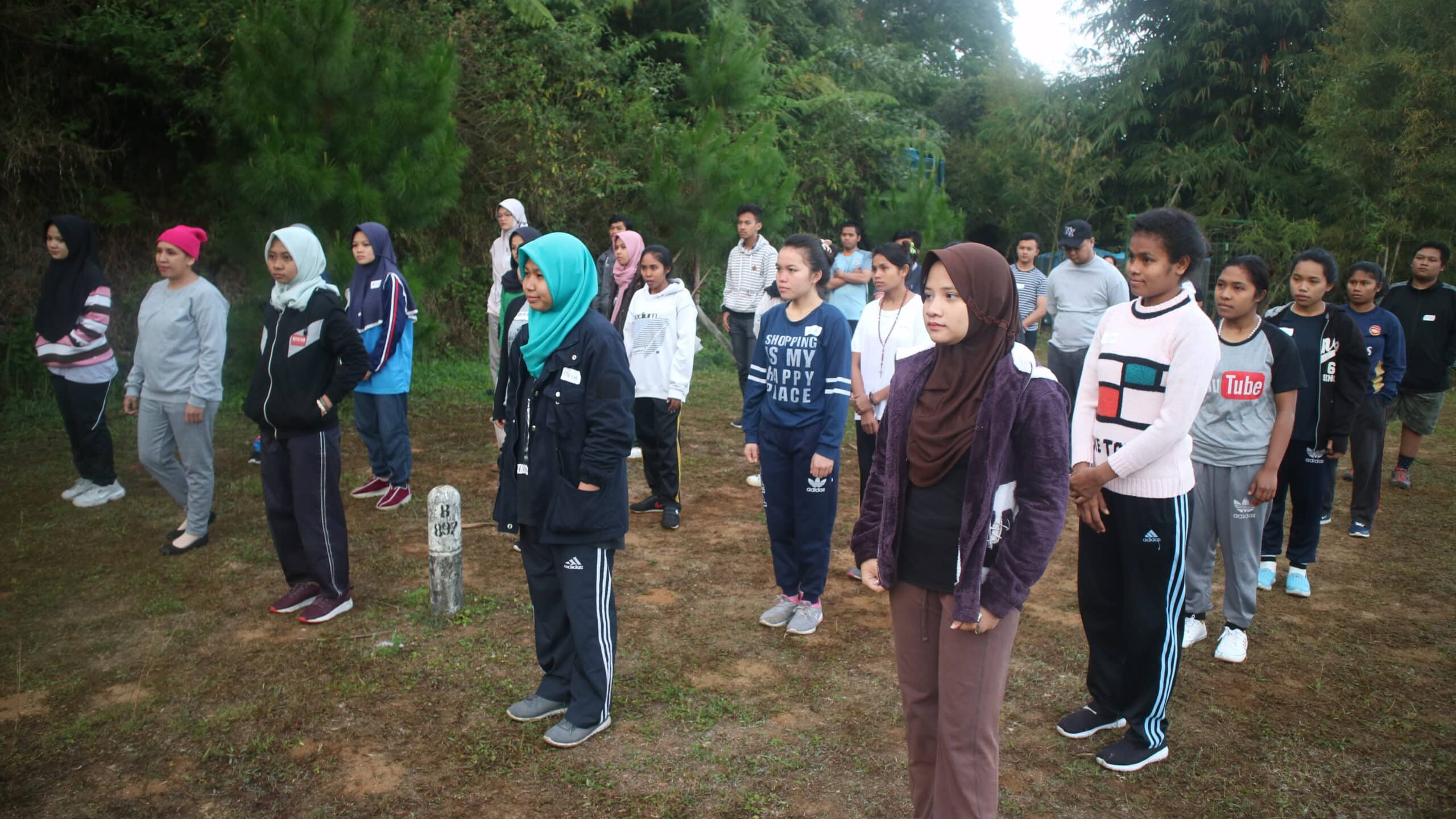
The Interfaith Youth Camp is a new initiative based in Jakarta which brings together 30 young people from different faith backgrounds for discussion, sharing and learning about each others faiths with the help of 10 facilitators. The Camp takes place over 3 days in July (2019) with 30 participants and 10 facilitators. 10 follow-up meetings between August 2019 and May 2020 will be facilitated by 4 speakers.
Sound of Peace
- Road show launching the book Open Integrity: A positive approach to Interfaith Dialogue in a Pluralistic World and the Training Manual of Open Integrity (Bandung, Jakarta, Yogyakarta and Malang) (Once a month)
- Workshop on the Approach of Open Integrity. (Four times in the year)
- Training for Trainers in the Approach of Open Integrity (Once a year)
- Character Building and Peace Education for Teachers of Religion (Three times in the year)
- Peace Circle known as Halaqah Damai: The Sound of Peace. (Once a month)
- Halaqah Peace Festival: The Sound of Peace, a celebration at the end of the year to evaluate and reflect on the programs held through the year.
Results
Participants have
- Overcome prejudices
- Mutual respect towards their peer
- Feel motivation and inspiration to engage in a postive change in a pluralistic life that is harmonious, peaceful and more prosperous.
- Create a synergistic relationship between young activists and young artists, especially artists who oppose the Hijrah movement's exclusivity with the indie music approach
Extra comments :
People being served
People being served : Agents of transformation (Educators)
Age group : Young people 15-25
Number of participants : 51-100
Schedule
Project status : Ongoing
Images
Overview
Society presence : Indonesia
Focus of the project : Peace
JPIC Imperative : Transforming and Being Transformed
UN Sustainable Development Goals :