Background
Local deforestation in the Amazon rainforest of State of Mato Grosso is affecting bees, the most important pollinators, that are becoming an endangered specie.
Objective
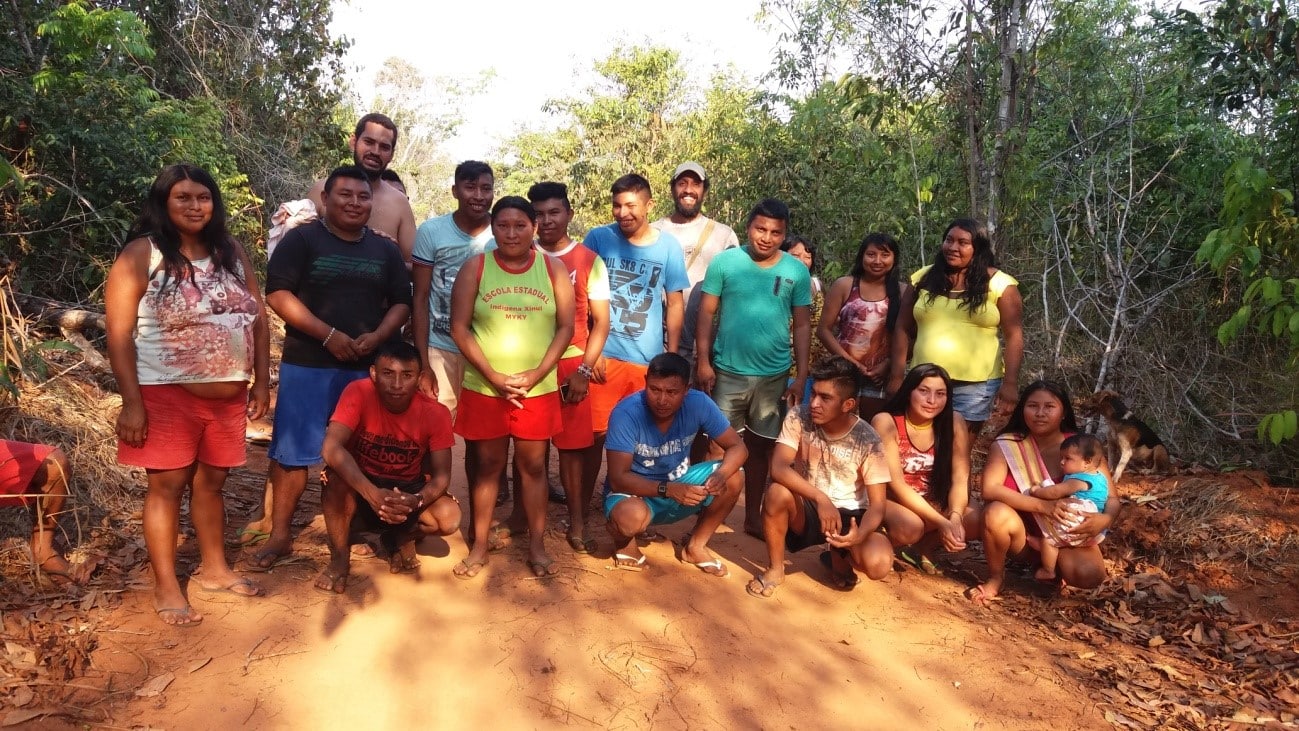
To protect the environment and biodiversity of the village of Japuíra (State of Mato Grosso) where the Myky indigenous population lives and to promote food sovereignty.
Activities
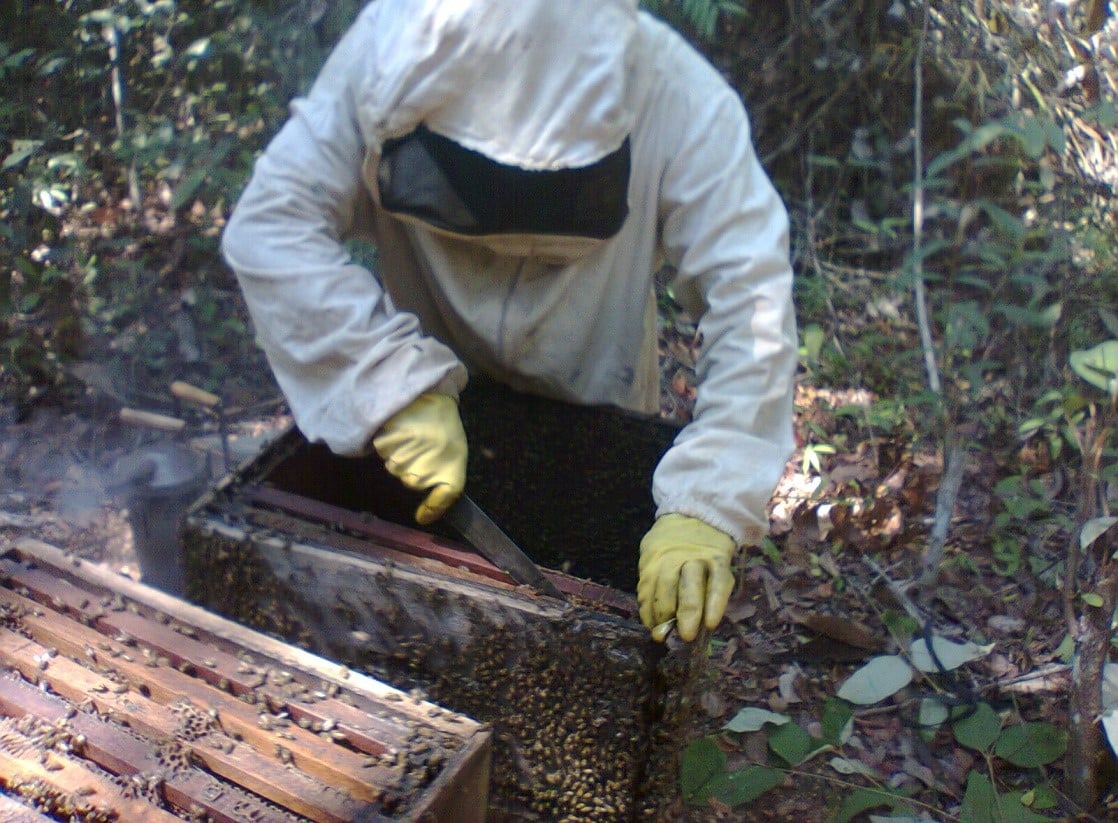
1. Honey production
- Construction of beehives (wood) and maintenance
- Bee hunting (swarms, inflammable)
- Beekeeping training for Myky youth
- Honey harvest
- Honey derivative products training
2. Community building
- Exchange of knowledge: wisdom of the elderly, traditional practices and youth's management of new technologies
Outcomes
- Myky health improved: their habit of using honey in their food rather than sugar (traditionally honey was extracted from trees)
- Myky economic situation improved: honey production produced income for Myky youth.
Extra comments :
Focus of the involvement: environment but there is also formation in beekeeping because the Myky have traditionally been using honey in their food. Stress on the exchange of tradition between the youth and the village wise man.
Place: Japuira (Brasnorte, Estado de Mato Grasso) - rural area
People being served
People being served : People who are marginalised
Age group : Children 0-17, Adults 26-60, Seniors 61-99
Number of participants : 101-250
Schedule
Project status : Ongoing
Collaborations
Images
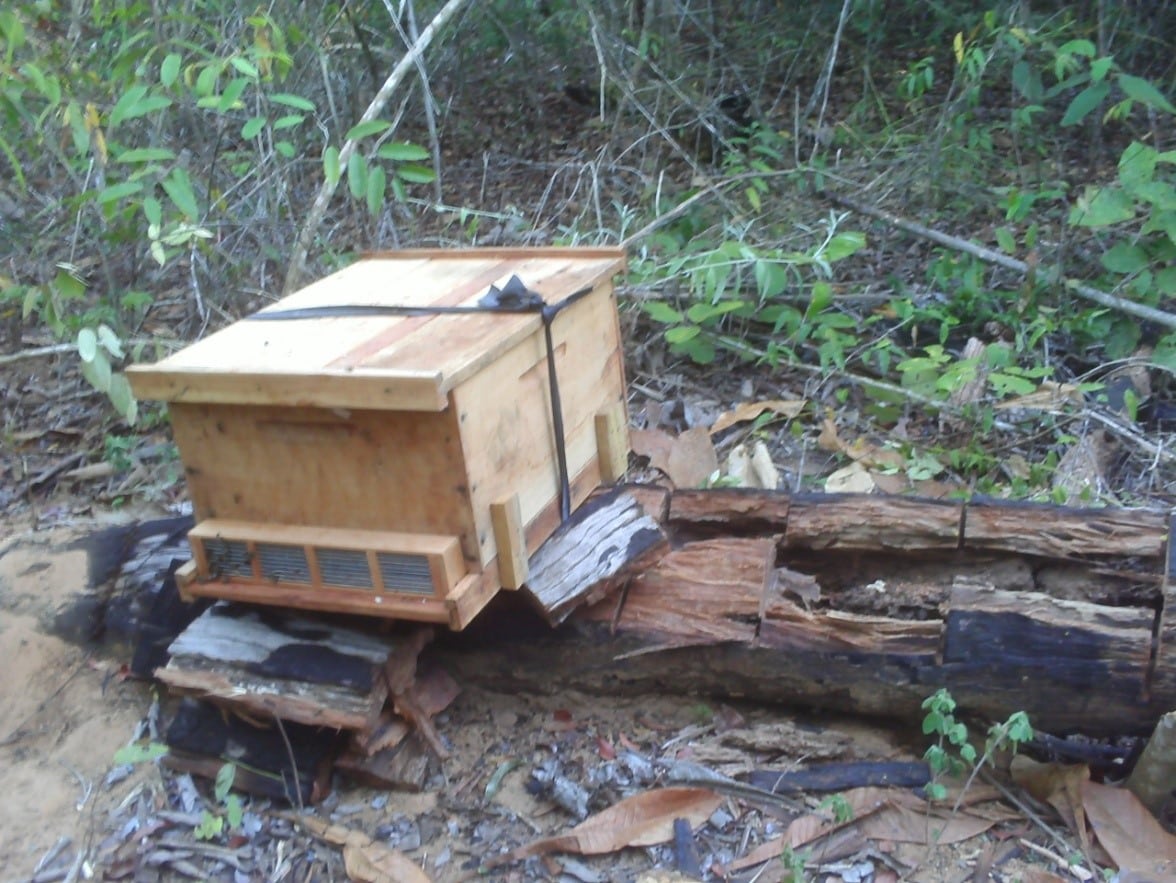
Overview
Society presence : Brazil
Focus of the project : Planet
JPIC Imperative : Care for Our Common Home
UN Sustainable Development Goals :