Background
Children with special needs are often hidden home because of community misconceptions and stigmas associated with their health conditions. This in turn leads to attitudes and behaviours of neglect, isolation, abuse and marginalisation by communities and families leading to increased discrimination. In most cases, parents of these children and the immediate family members are the most perpetrators of violence against them. This has, as a result, affected the ambitions of these children. They develop inferiority complex, self pity and they think they do not fit. In addition, some suffer from inadequate nutrition preventing them from developing both physically and cognitive. The majority of these children do not fit in formal learning institutions, yet some have the potential to learn hand skills which could be of great help in their lives.
Objective
To mitigate life difficulties for physically and mentally disabled children and their families in Chekalini (low vision, physical disabilities, epileptic cases).
Activities
- SMSH hosts
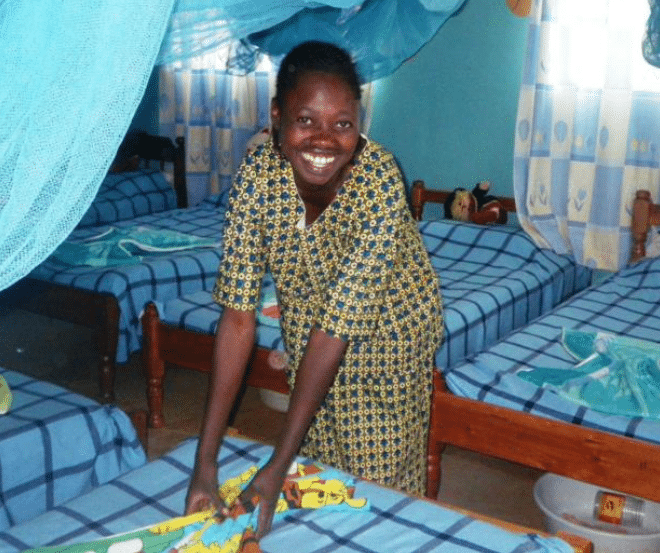
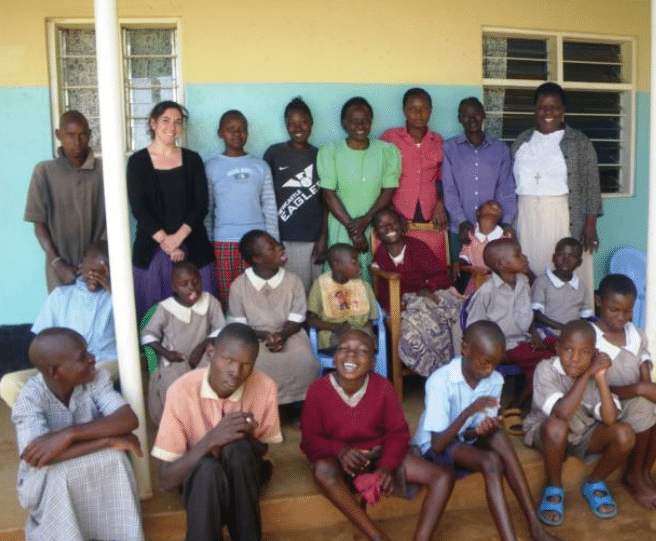
- Provide a home for special need children (dormitory)
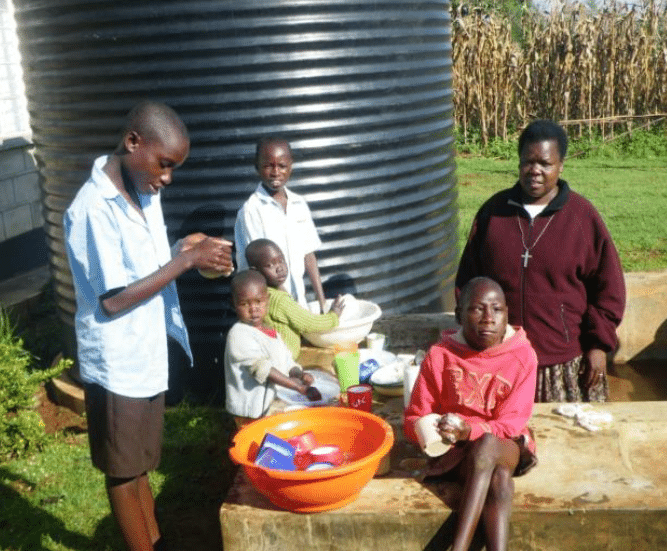
- Train special need children to small practical works (life skills: washing dishes, etc.)
- Craft making (clay beads)
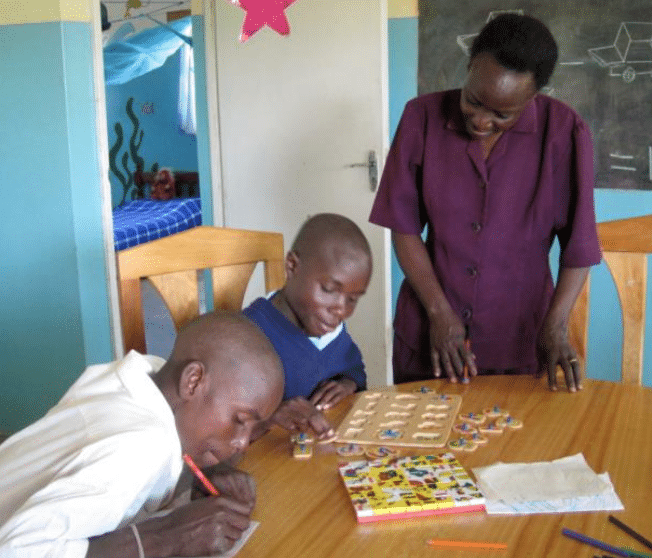
- Basic education (handwriting)
- Physical therapy (equipment and playground)
- Provide drugs for therapies
- Provide healthy food (husbandry, veggie garden)
- Teach hygienic habits (use of water, domestic chores, food preparation)
- Families and local community
- Awareness raising activities to reverse misconceptions and stigma towards special need children
Results
- The SMSH guest increase and manage their social and emotional skills
- The SMSH guest become more self-independent.
- They show an increase in their self esteem.
- The SMSH guest gain a group spirit as being with their peers
- Acquire skill for the collection of milk
- Acquire skill for the harvest of veggies in the SMSH vegetable garden
- Selling of beads
- With the acquired skills the special need the guest of SMSH grew to be a contribution rather than a concern
- Two of the guest children have enrolled in formal education
Extra comments :
Former contact person: Rebecca Loukae rscj
People being served
People being served : Children and Young People
Age group : [display_acf_checkbox field="age_group"]
Number of participants : 251-500
Schedule
Project status : Completed
The Centre opened in 1988 (Diocese of Kakamega), it was taken over by the Society in 2007.
Following new educational laws in Kenya (educational centres for children with disabilities close and these children are to be enrolled in mainstream schools), the SMSH closed in December 2023.
Collaborations
Images
Overview
Society presence : Uganda/Kenya
Focus of the project : People
JPIC Imperative : Transforming and Being Transformed
UN Sustainable Development Goals :