Background
Oujda is a city in the northeast (Rif) of Morocco with an estimated population of half a million inhabitants, located about 15 kilometers west of the border with Algeria and about 60 kilometers south of the Mediterranean Sea. The city of Oujda is an entry point for people on the move in transit who opt for the Western Mediterranean Route to Europe, but at the same time also a departure point for migrants who are tired of the repression and numerous interceptions in the Moroccan state and who choose to continue towards Libya to try to reach their destination via the Central Mediterranean Route. The border with Algeria has been officially closed since 1994. The crossings are very dangerous, with a large ditch and fences to overcome. A local mafia facilitates the crossings and in many cases abuses its power (torture, robbery, rape...). Police control and mafias are making the crossing difficult and there is more and more violence, many of them requiring hospital care, in cases of operations they cannot respond to with.
Objective
To give relief to the situation of vulnerability of people on the move in the city of Oujda (Morocco), whether in the psychological, health, bureaucratic or training spheres.
Activities
The activities take place in the church of Oujda, a place of welcome, protection and accompaniment.
- To guarantee a comprehensive welcome by responding to the basic needs of people on the move who have just arrived from the Algerian border.
- First reception and identification of needs
- Accommodation
- Accompaniment in the personal process of each one.
- Reception and accompaniment of sick or injured migrants.
- Reception
- Referral to hospital
- Hospital accompaniment
- Accommodation and maintenance after the hospital stay: treatment and medical follow-up, until final discharge.
- Reception and accompaniment of migrants who request their voluntary return
- Accommodation and maintenance
- Accompaniment in the personal process of each one.
- Coordination with the IOM (World Organisation for Migration).
- Welcoming and accompanying migrants, mostly minors, who after having spent some time in different cities in Morocco and not having enough money to cross to Europe, decide to take advantage of the training offered.
- Accommodation and food for the young people who are undergoing the training.
- Accompaniment in the personal process of each one.
- Coordination with the different professional schools or academies in Oujda.
- Payment of materials necessary for the training
- Payment of transport.
Results
- The migrants accommodated in the church have been able to regain their strength.
- Wounded/sick migrants accommodated in the church have fully recovered until they were discharged.
- A number of migrants have returned voluntarily to their country of origin.
- A number of migrant minors have acquired vocational training.
Extra comments :
Provinces involved: ESP and BFN
People being served
People being served : People on the move
Age group : [display_acf_checkbox field="age_group"]
Number of participants : None
Schedule
Project status : Ongoing
Collaborations
Images
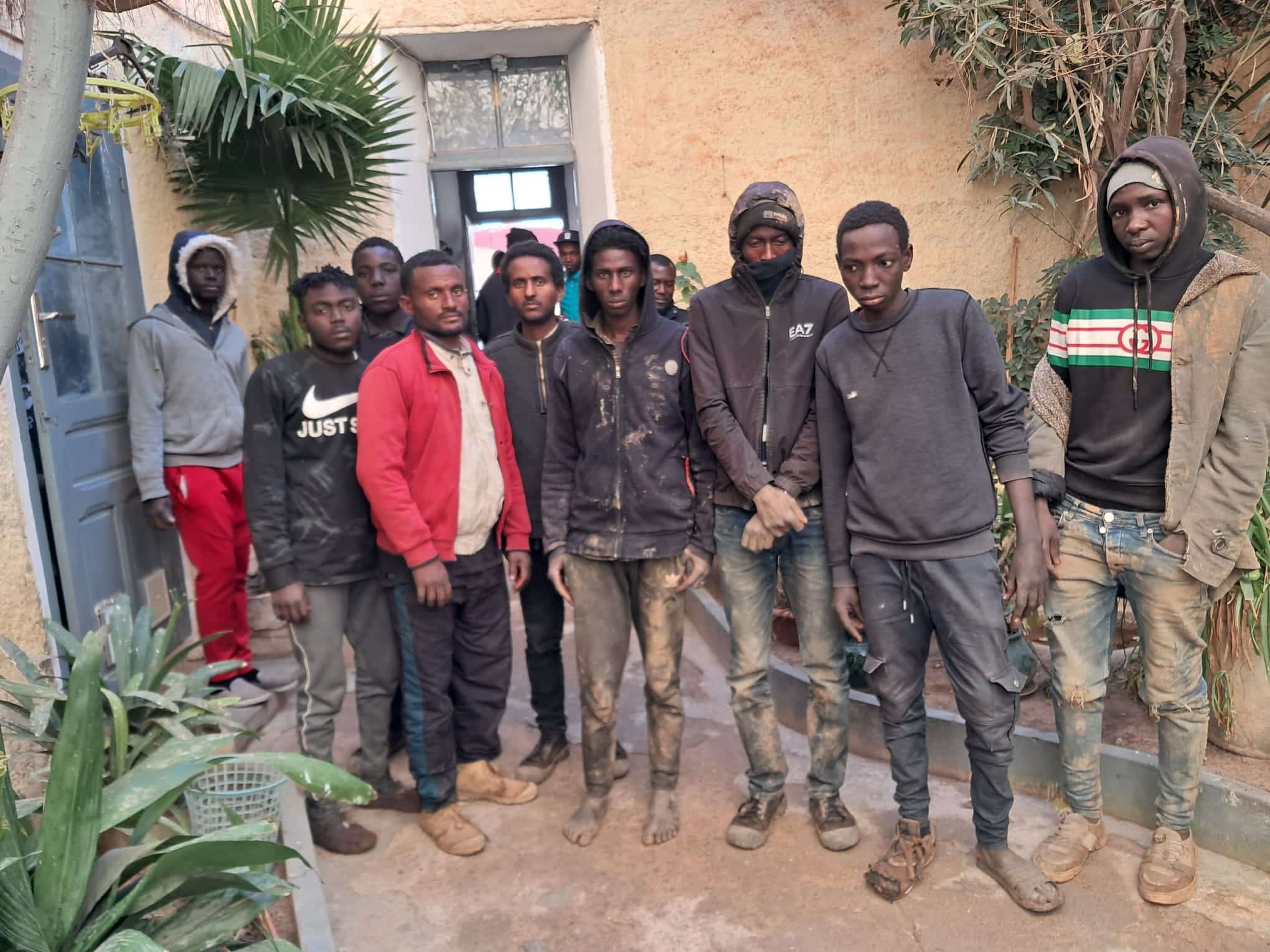
Arrival at Oujda
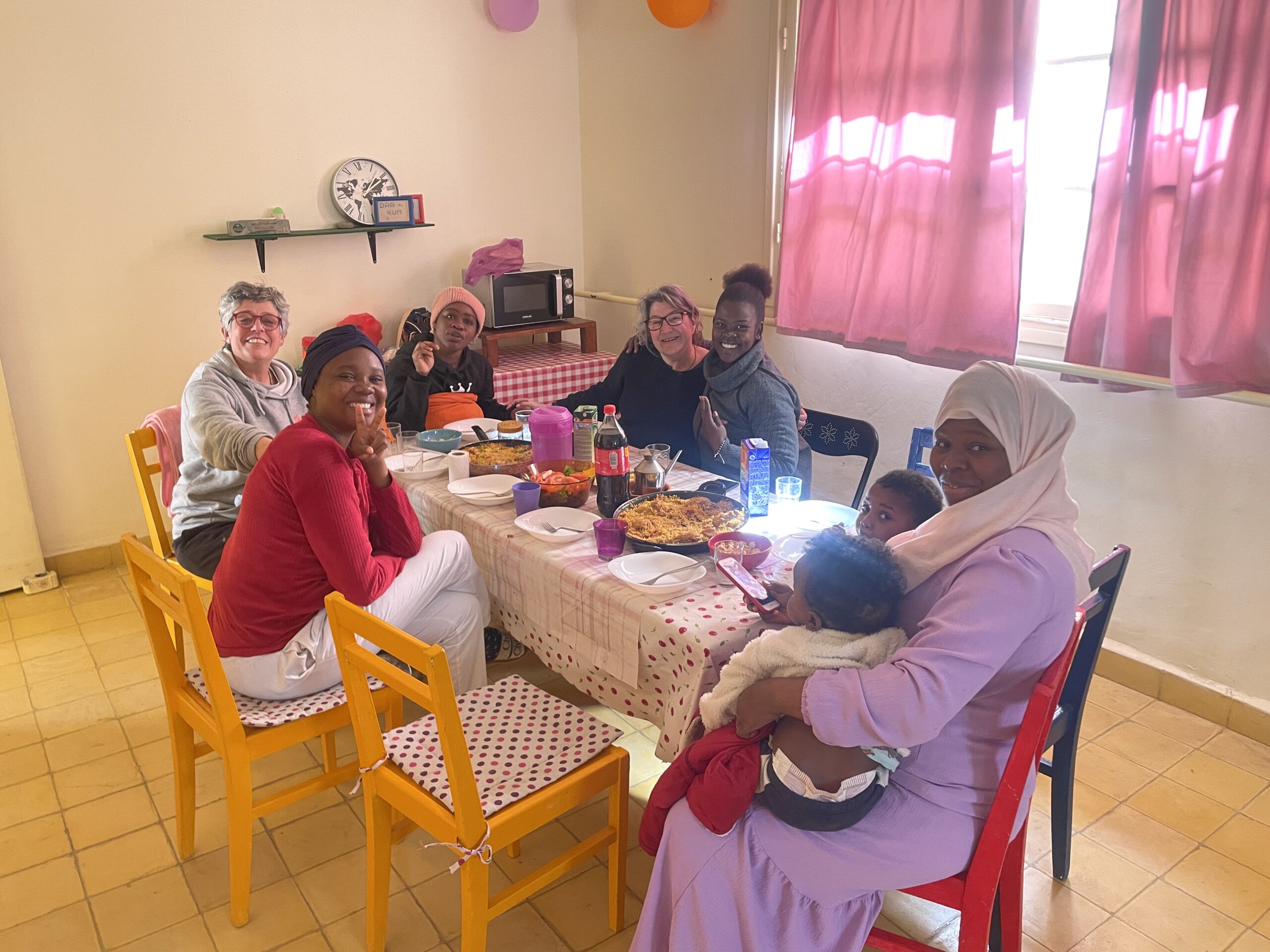
Dar Kum - Your home
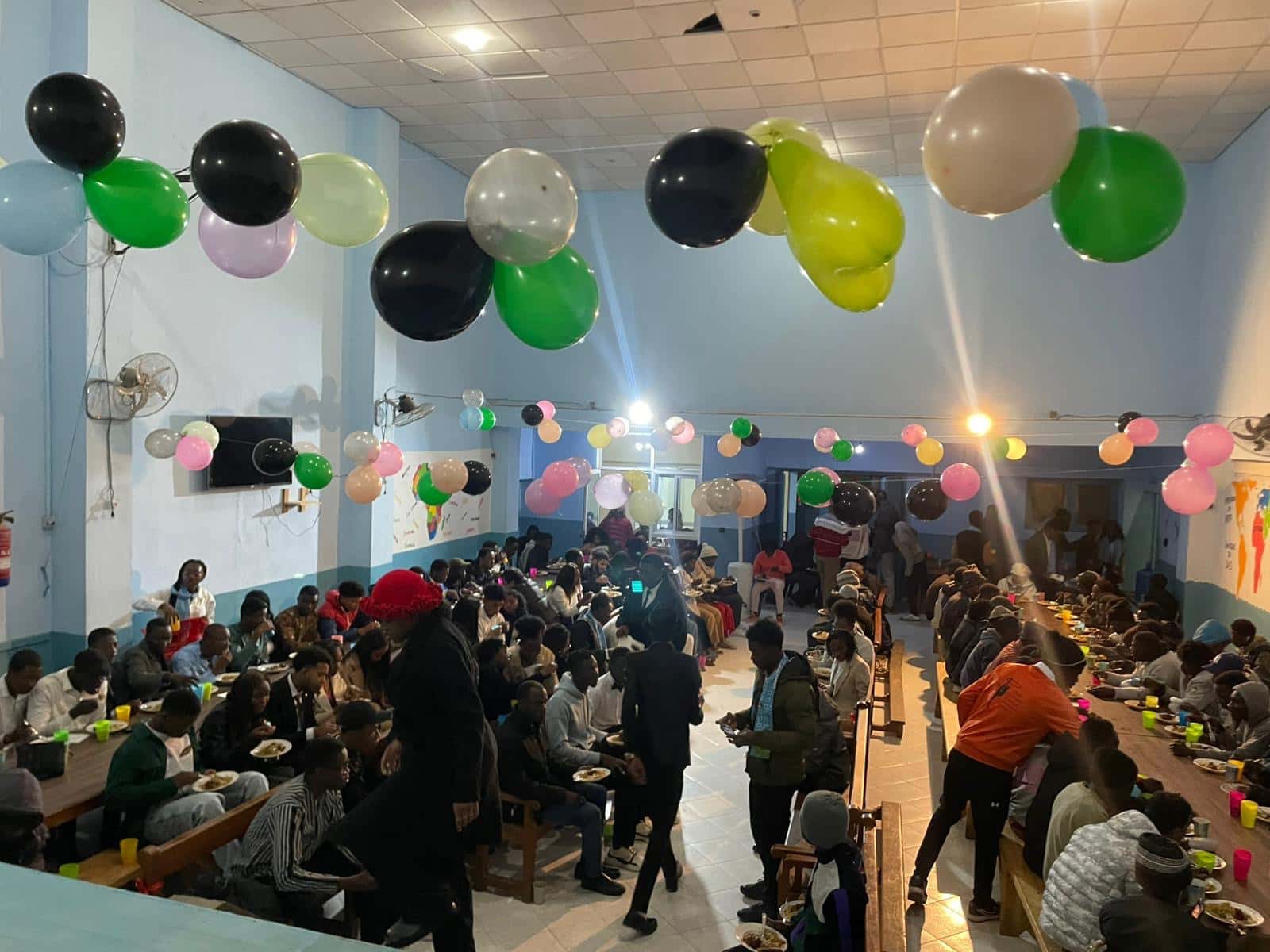
End of Ramadan dinner
Overview
Society presence :
Focus of the project : Education
JPIC Imperative : Transforming and Being Transformed
UN Sustainable Development Goals :