Background
Puente de Esperanza (Bridge of Hope) is an inter-congregational project that arose in Madrid in 2005 when sisters of six different congregations met on the Diocesan Synod Lightening Hope. The sisters were concerned to respond to the precariousness in which immigrants lived and the idea to carry out a joint project arose, specifically in the neighbourhood of Tetuán. Tetuán is one of the Spanish capital's neighbourhoods with the largest migrant population, around 32% of its total population (2023), who often face administrative , economic and labour precarity
The great desire is to be a bridge that helps to bring borders closer, overcome obstacles, bring cultures closer, facilitate the passage, open roads, create links, join hands. Hence the name of the project: Puente de Esperanza (Bridge of Hope).
Objective
- To support the socio-cultural and labour promotion of immigrant, as a priority, and of any person in a situation of vulnerability.
- To work for the dignity and empowerment of women.
- To promote mutual coexistence and inter-culture.
- To enhance labour inclusion among low skilled migrant
Activities
The activities run embrace the values of welcoming, respect for the other, the person as the centre of all action, listening, personal encounter, empathy, and fidelity to the Gospel, in a context of gratuitousness.
The activities offered are intended to be a sign of unity and hope in the midst of ethnic, cultural and religious diversity, always respecting the identity of each participant; and a sign of the great family of God in the midst of the loneliness and difficulty of relationships that immigrants encounter.
The activities are built around three areas:
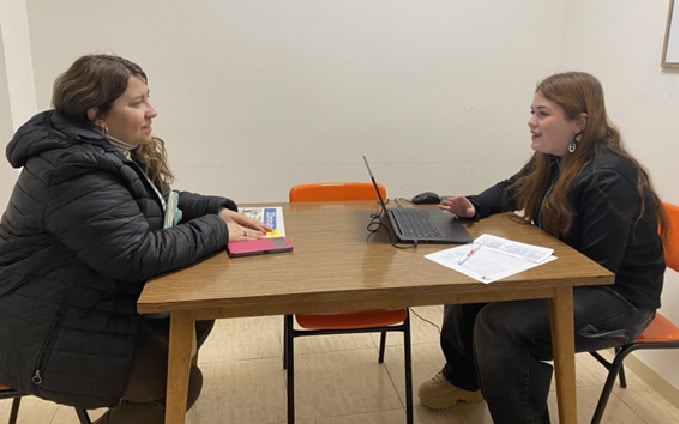
- A welcoming service and the professional services (counselling).
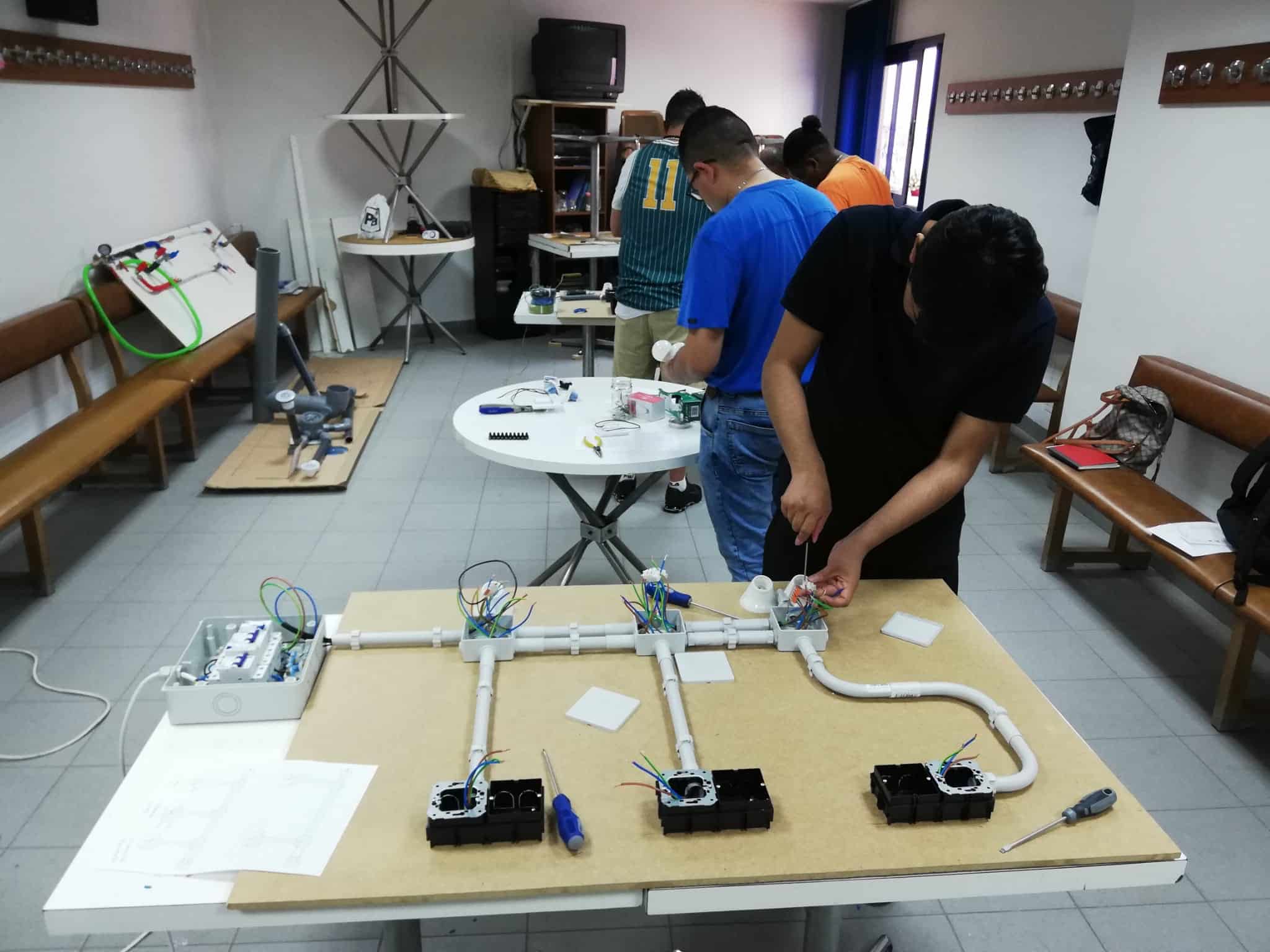
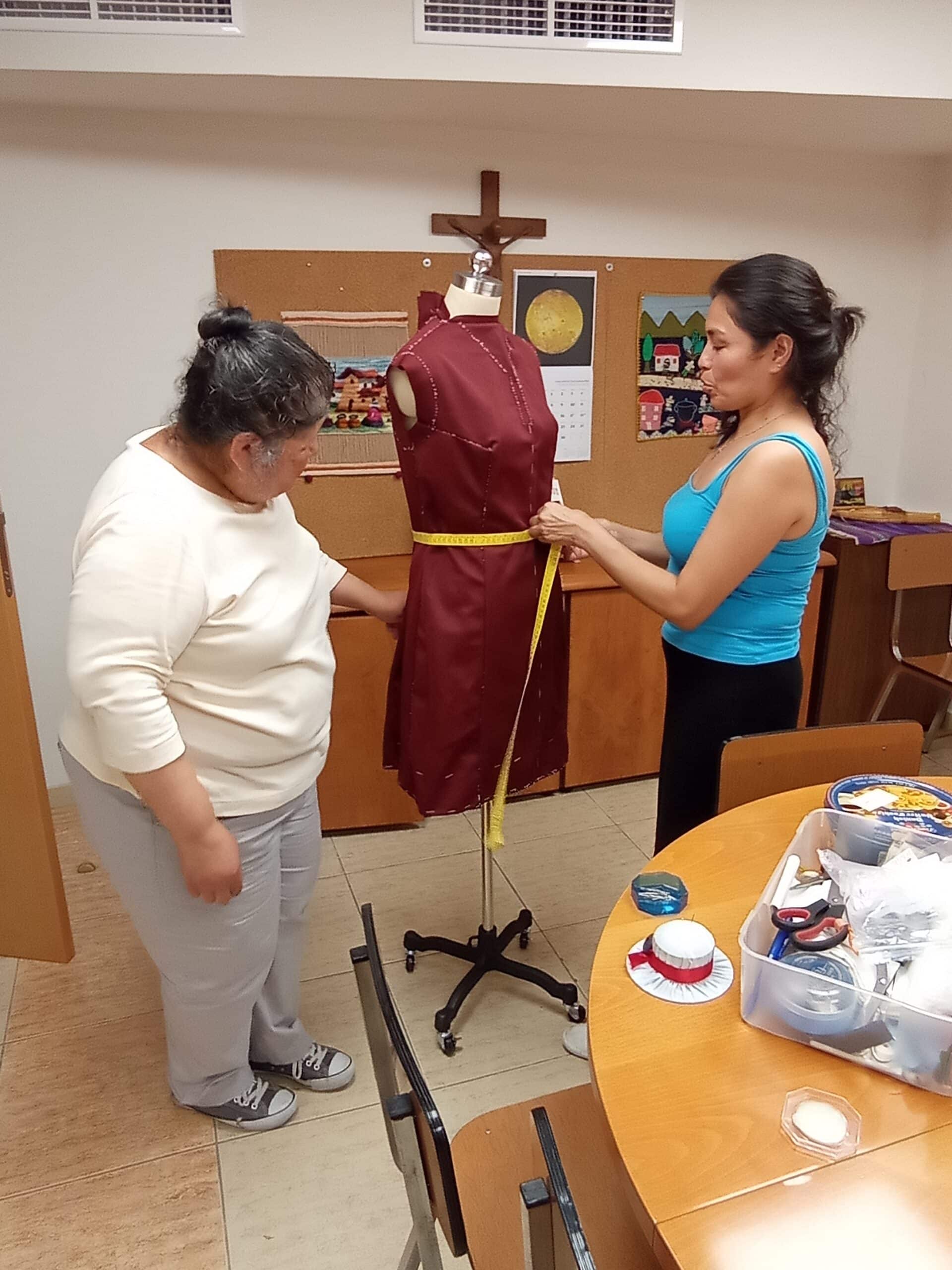
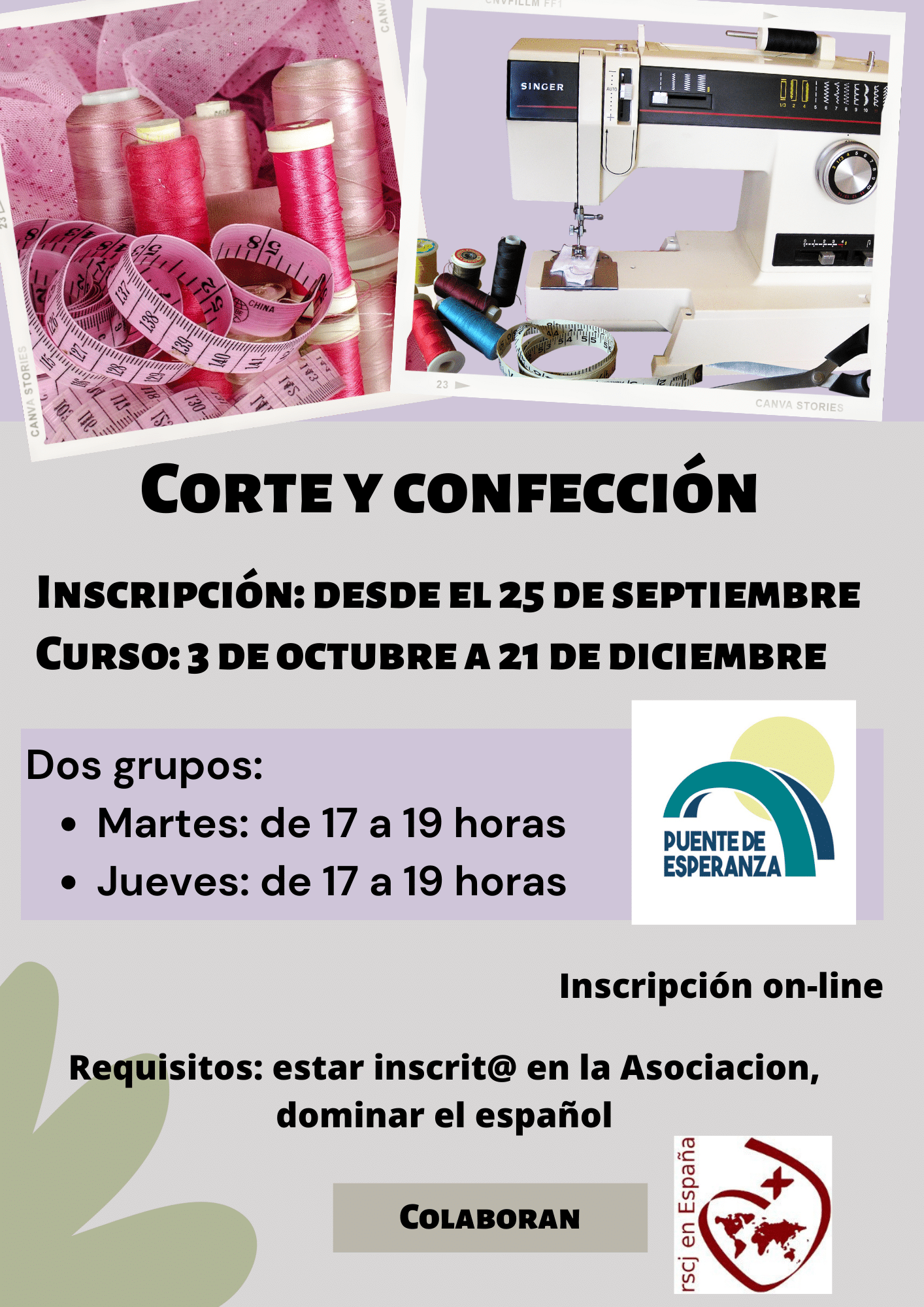
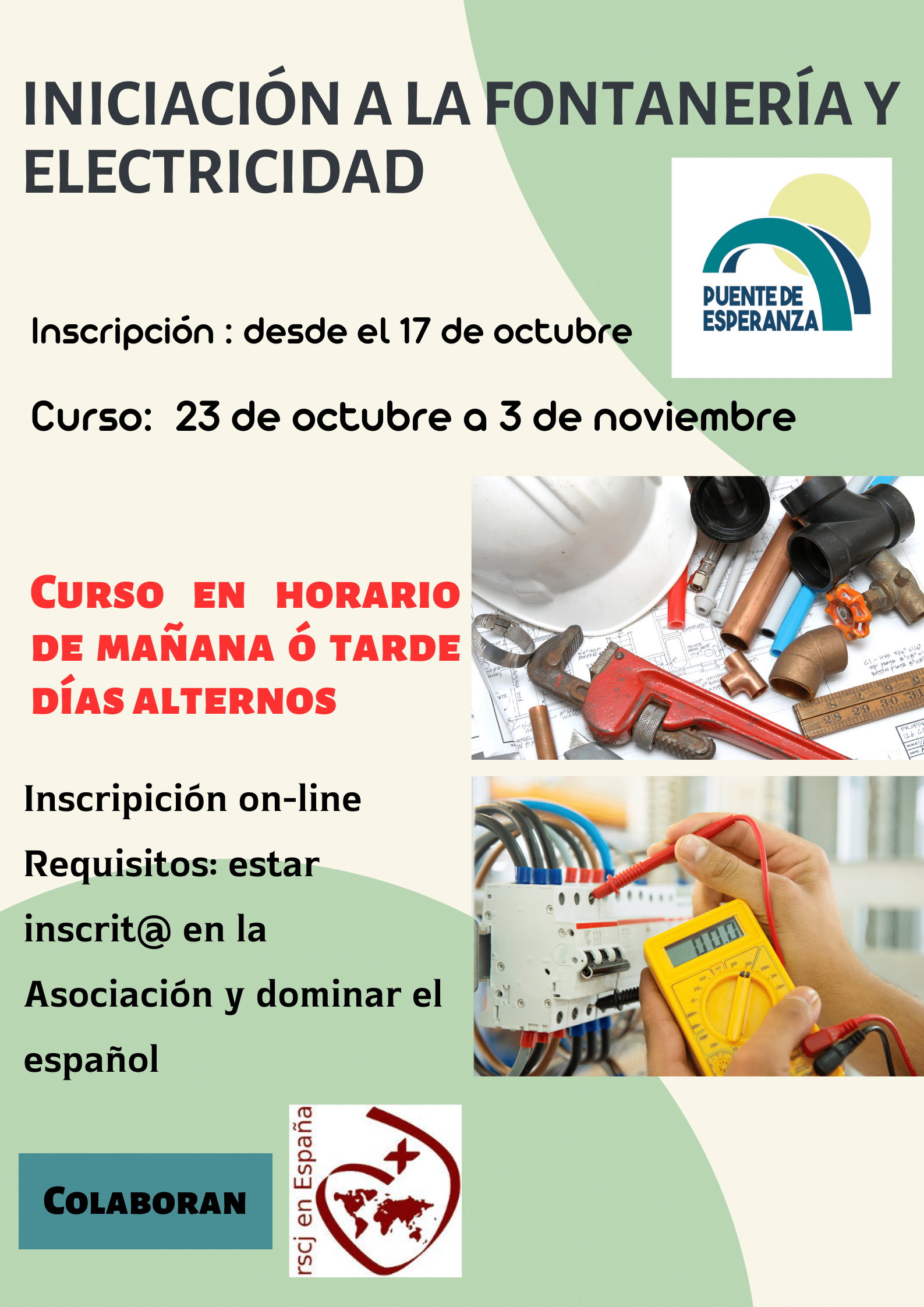
- Professional training (electrician, tailoring) and an itinerary of accompaniment in job hunting.
- Intercultural gatherings.
Actions
- Three training courses in electricity and plumbing (25 hours each/2 weeks) addressing around 40 participants
- Two tailoring course (72 hours each/9 months) where a addressing around 34 participants
- Individual tutoring sessions providing employment search strategies (interview training, CV writing) and connections to self-employed professionals for potential collaborations.
Results
- Plumbing course; about 80% of the participants tend to obtained a full attendance diploma.
- Tailoring course, about 20% of the participants achieve the full capacity building.
- Participants gain basic professional competencies in their respective sectors and social skills to enter the labour market and maintain a stable position in it.
Note: Participants that have their own resources home (sewing machines) to further their learnings show an easier access to employment.
People being served
People being served : People who are marginalised
Age group : [display_acf_checkbox field="age_group"]
Number of participants : 51-100
Schedule
Project status : Ongoing
Collaborations
Images
Overview
Society presence : Spain
Focus of the project : People
JPIC Imperative : Welcoming People on the Move
UN Sustainable Development Goals :