Background
When arriving to Japan, migrant face a radical cultural change. In addition, Japanese migrant politics do not consider migrants as a permanent status - migrants intended to leave Japan within a couple of years. As a result of this government policy, there are few facilities offered to migrants for their integration (in particular learning Japanese language). The Adachi International Academy endeavours to ease the cultural transition for migrants and fill in the lack of services aimed at migrants.
Objective
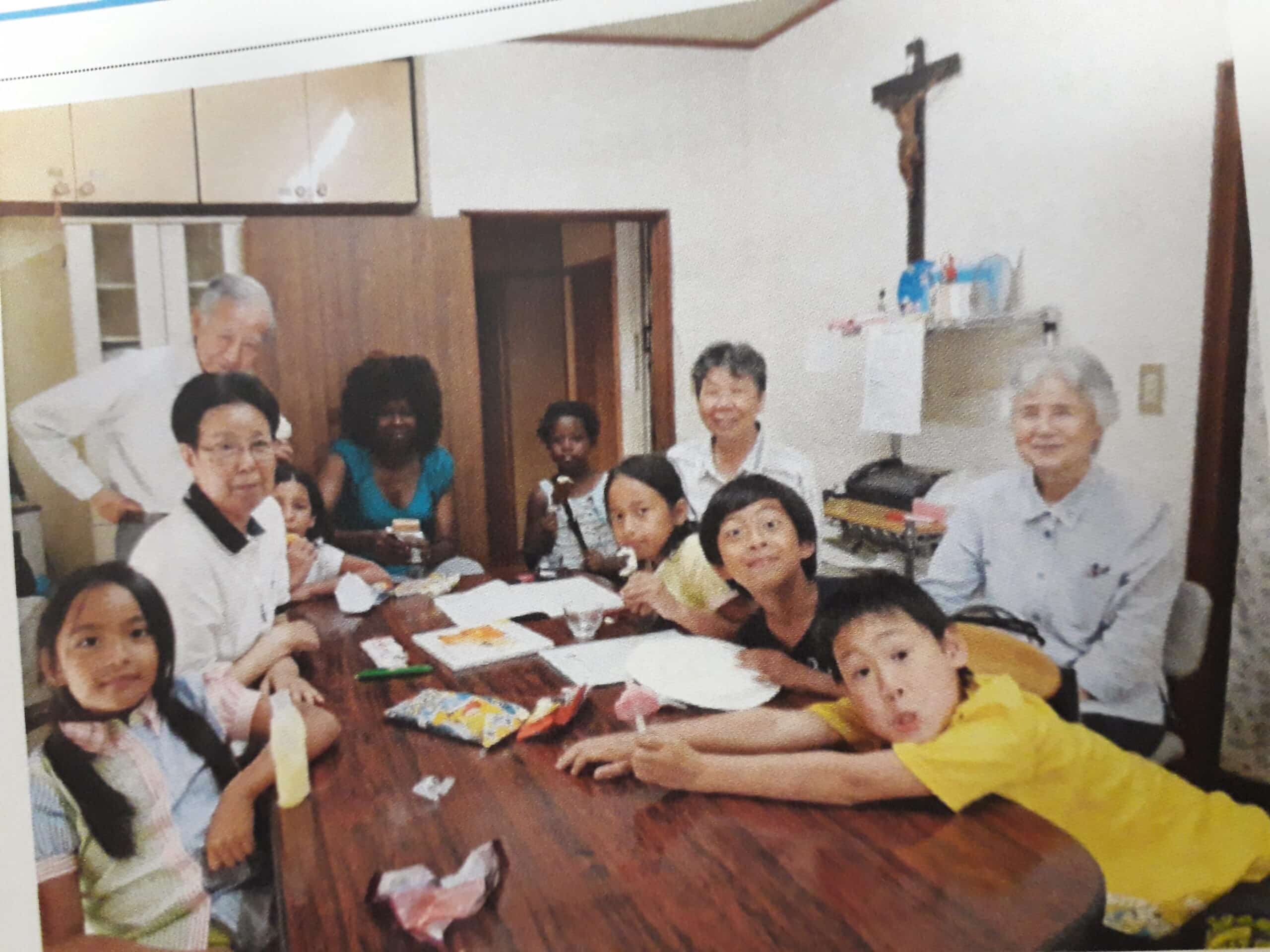
The Adachi International Academy is a safe and warm place where about 30 children born to foreign parents and living in the Adachi region and its surroundings (region of metropolitan Tokyo) receive basic education tools.
Activities
- Educational tutorials: to help migrant children to keep pace with their education, there are given tutorials on maths, Japanese language (including Kanji exercises), English language and computering.
- Person-to-person approach: children are assisted in their adjustment to the Japanese customs, language and culture with a person-to-person approach, deriving from a Catholic approach that is hardly found in the Japanese educational system. It both focuses on the theoretically part of the transition (educational curriculum as above) as well as stressing the students' daily life and enable them to grow as citizens of the society and nurse them to be able to serve others in future. This approach is also aimed to limit the consequences of the bullying migrant children suffer at school due to their foreign nationalities.
- Migrant parents: they can sign in to Japanese and English classes as well as computing ones. They also have access to Japanese culture classes and important information about life in Japan.
Outcomes
- Migrant children have gained more confidence at school and improved their school results.
- Migrant children are able to get some more friends among their classmates.
- The mothers and adult migrant workers obtain satisfaction and joy to be able to write Japanese characters and read them and at the same time to improve their spoken language.
People being served
People being served : Children and Young People
Age group : [display_acf_checkbox field="age_group"]
Number of participants : >500
Schedule
Project status : Completed
Images
Overview
Society presence : Japan
Focus of the project : People
JPIC Imperative : Welcoming People on the Move
UN Sustainable Development Goals :